


While a balanced diet and regular exercise form the foundation of good health, supplements for women can provide valuable support by filling nutritional gaps, supporting hormonal balance, boosting immunity, and enhancing energy levels. With so many supplement brands on the market and the growing concern of misleading or fake supplements sold online, finding out what truly works and the best options for you can feel overwhelming. That’s why we’ve created a definitive guide to the best women’s supplements, featuring reputable brands, explaining their benefits, and helping you navigate the choices to discover the supplement options best suited to your age, health, and lifestyle.
Best Supplements for Women: Essential Vitamins and Minerals Every Woman Needs
Vitamin D for Women: Bones, Hormones, and Immune Health
Vitamin D is one of the most important nutrients for women’s health, yet deficiency is incredibly common. Our bodies produce it mainly through sunlight, which is why women in colder climates – especially in the UK, where grey skies and rainy days outnumber sunny ones for most of the year – are particularly vulnerable to low levels. Adequate vitamin D levels are essential for calcium absorption, which in turn helps prevent osteoporosis and maintain bone strength. Beyond bone health, vitamin D plays a vital role in regulating hormones and bolstering the immune system.
While our bodies naturally synthesise vitamin D through sunlight exposure, it can also be obtained from foods such as fatty fish and fortified dairy products. However, since some women don’t eat fish, avoid dairy, or follow a vegan diet, supplementation is often necessary to maintain healthy levels.
Vitamin D Benefits for Women
Vitamin D contributes to women’s health in several ways. It supports bones by enhancing calcium absorption, helping to protect against osteoporosis and fractures later in life. It also plays a crucial role in hormone regulation, influencing everything from menstrual health to mood balance. Another major benefit is immune defence – adequate vitamin D strengthens the body’s ability to fight infections and reduce inflammation. Many women also find that maintaining healthy vitamin D levels improves overall energy and helps stabilise low mood.
Vitamin D Deficiency in Women
Low vitamin D can affect a wide range of functions in the body. It is vital for calcium absorption, which helps to prevent osteoporosis and maintain strong bones – a particular concern for women as they age. Vitamin D also supports hormonal balance, reduces inflammation, and strengthens the immune system. Symptoms of low vitamin D in women can include fatigue, muscle weakness, low mood, increased susceptibility to colds, and, over time, brittle bones. Because these symptoms are subtle, many women don’t realise they are deficient until it is confirmed by a blood test.
Although the sun is the most efficient source of vitamin D, diet can also provide small amounts. Foods high in vitamin D include oily fish such as salmon and mackerel, egg yolks, liver, and fortified dairy or plant-based alternatives. This is where vitamin D supplements for women become important. The preferred form is vitamin D3 (cholecalciferol), which is more bioavailable than D2. Vegan-friendly D3, made from lichen, is also widely available. Most women benefit from 600 to 2000 IU daily, ideally tailored to individual needs through blood tests. Maintaining adequate vitamin D levels helps protect bone health, boost immunity, and support energy all year round.
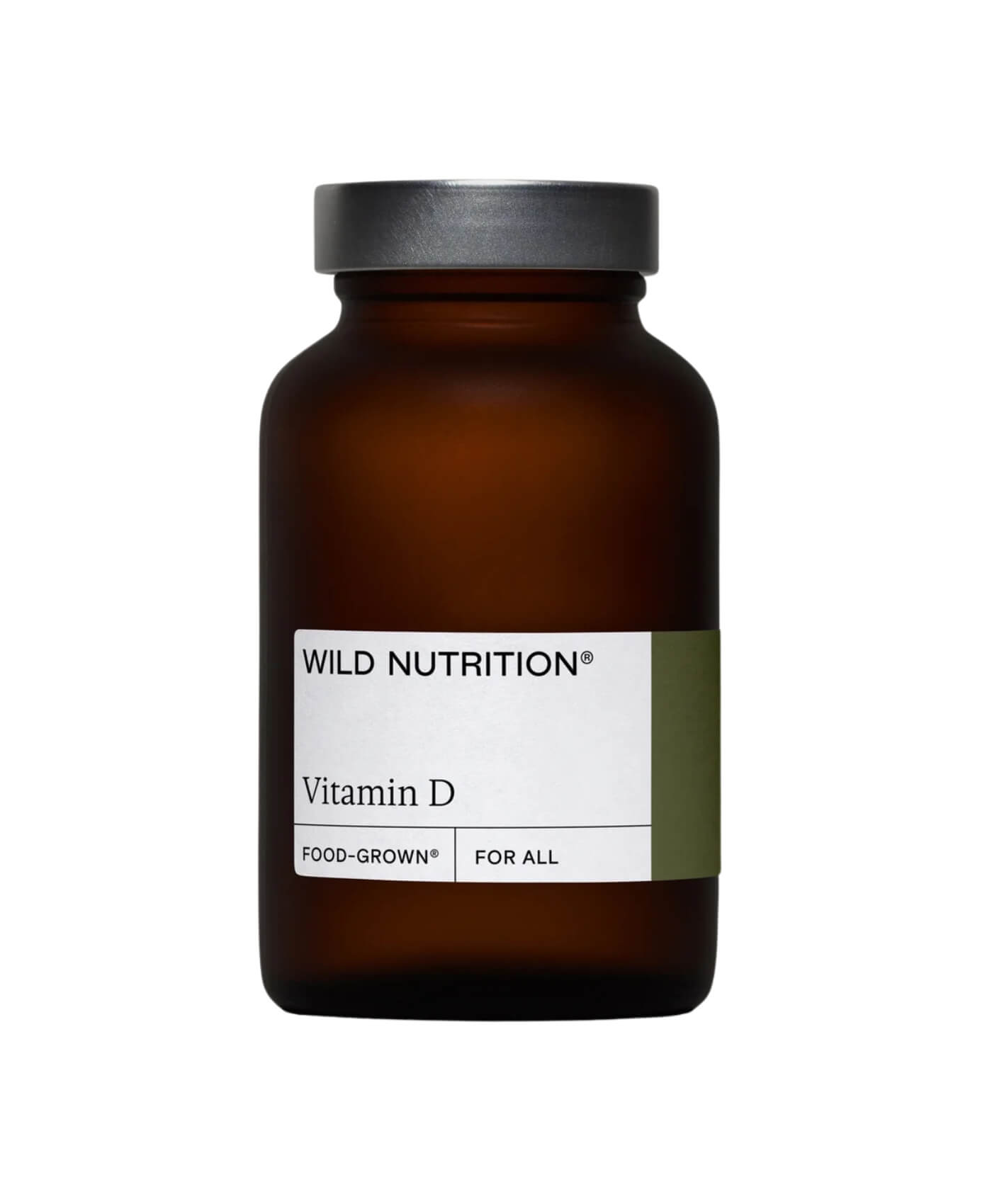
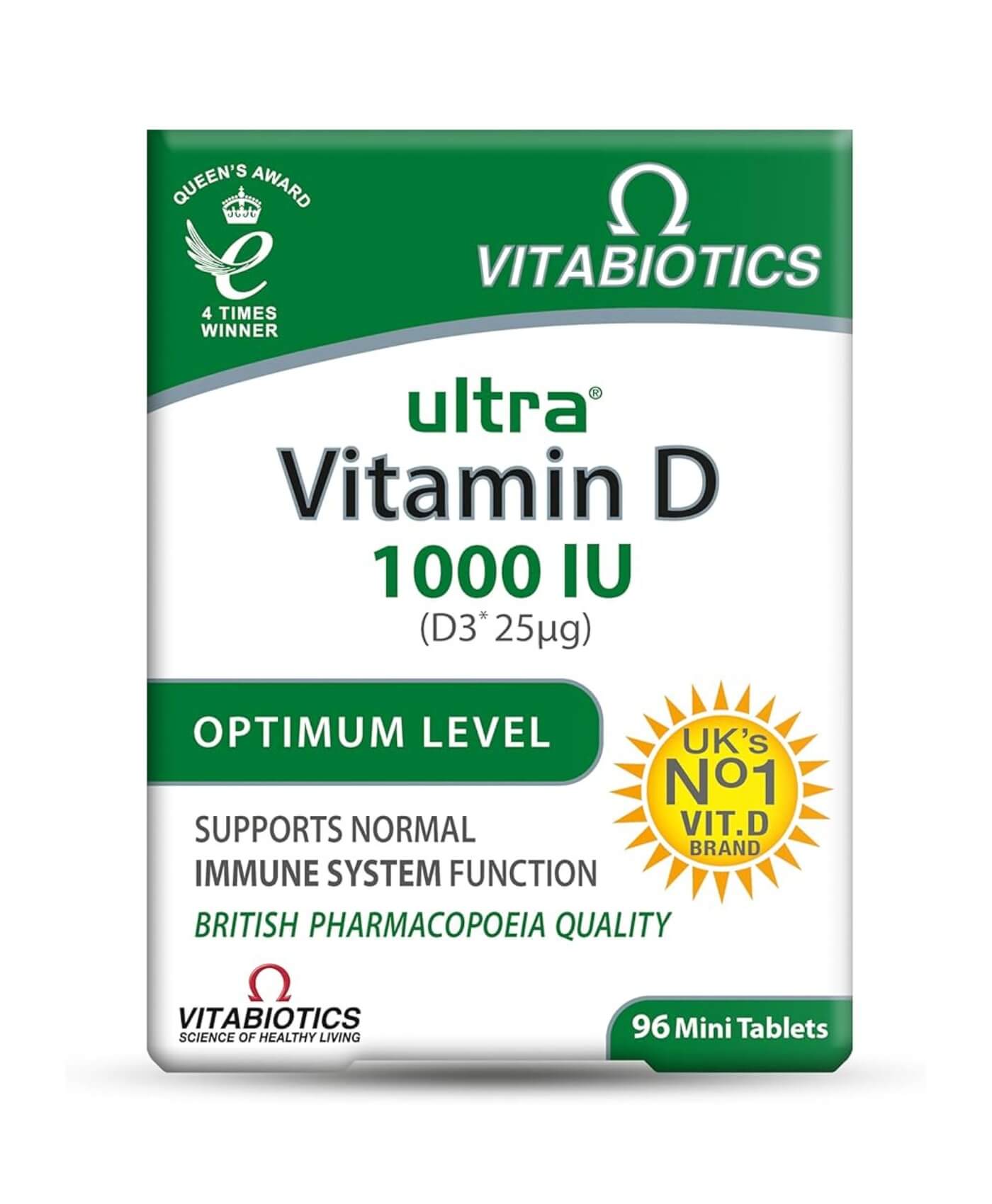
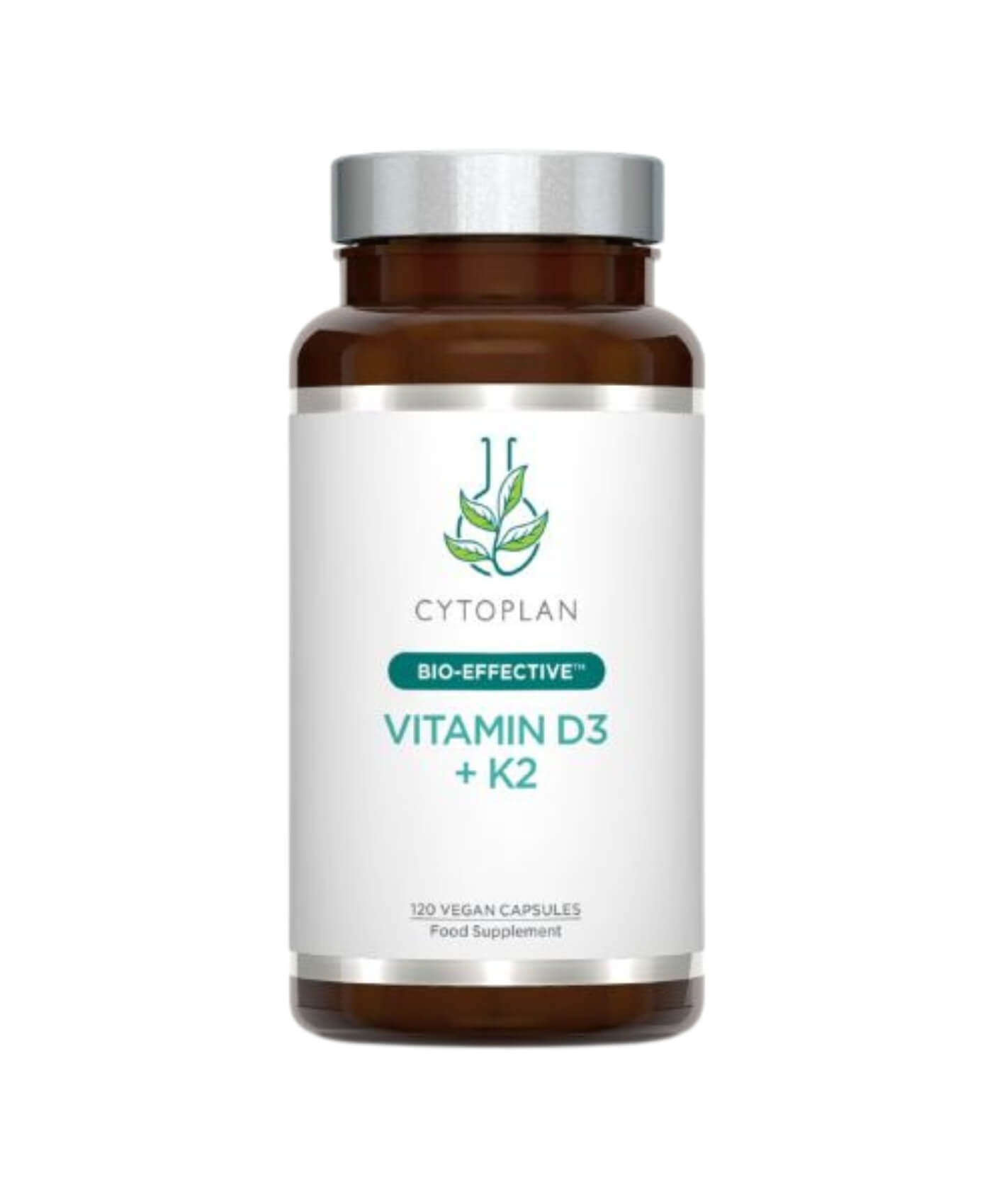
Best Vitamin D Supplements for Women
Iron for Women: Energy and Healthy Blood
Iron is one of the most vital minerals for women’s health, playing a central role in the production of haemoglobin – the protein in red blood cells responsible for transporting oxygen throughout the body. Without adequate iron, oxygen delivery slows down, which directly impacts energy, endurance, focus, and overall wellbeing. Despite its importance, iron deficiency is among the most widespread nutritional concerns for women, affecting millions worldwide.
Iron Benefits for Women
Iron is essential for sustaining energy, maintaining healthy blood, and supporting brain and muscle function. Adequate iron levels help women feel more energised, reduce fatigue, and improve concentration. It also supports hormonal balance and plays a role in maintaining healthy skin, hair, and nails. For active women, iron ensures that muscles receive enough oxygen during exercise, supporting stamina and recovery. During pregnancy, it becomes even more critical as it supports both maternal health and the developing baby.
Iron Deficiency in Women
Iron deficiency in women is extremely common, with studies showing that most women’s iron levels are lower than recommended. Monthly blood loss during menstruation, the increased demands of pregnancy, and the physical strain of exercise all contribute to depleted iron stores. Women are estimated to be twice as likely as men to develop iron deficiency anaemia, a condition where low iron impairs the body’s ability to produce healthy red blood cells.
The symptoms of low iron in women often appear gradually, which is why they can be overlooked. Constant fatigue is one of the first warning signs, but other indicators include pale skin, brittle nails, and noticeable hair shedding. Some women experience dizziness, lightheadedness, or even fainting, particularly when standing for long periods or during physical exertion. Shortness of breath, heart palpitations, and brain fog are also linked to low iron. Because these symptoms are often dismissed as stress or lack of sleep, iron deficiency frequently goes undiagnosed until a blood test is carried out. Checking ferritin – the marker of stored iron – is especially important, since haemoglobin levels alone may not reveal the full picture.
Diet plays a key role in maintaining iron levels, but not all iron is created equal. Heme iron, found in animal sources like red meat, chicken, and fish, is absorbed most efficiently by the body. Non-heme iron, present in plant-based foods such as lentils, beans, spinach, kale, tofu, pumpkin seeds, quinoa, and fortified cereals, can also be effective, but it is absorbed less readily. Pairing non-heme iron with vitamin C–rich foods such as citrus fruits, strawberries, or peppers can improve absorption significantly. In contrast, tea, coffee, and high-calcium foods can block absorption if consumed at the same time as iron-rich meals.
For some women, diet alone is not enough to correct low iron. This is where supplementation becomes essential. Traditional iron tablets, such as ferrous sulphate, are widely prescribed but can cause constipation or digestive discomfort. A gentler, more bioavailable option is ferrous bisglycinate, which many women find easier to tolerate. The recommended daily intake for most women is around 18 mg, although this rises to about 27 mg during pregnancy when the body’s demand increases substantially. Supplementation should always be guided by blood test results and professional advice, as excess iron can accumulate and cause complications.
Maintaining healthy iron levels is not just about avoiding tiredness. Iron underpins almost every essential function of the body, from carrying oxygen efficiently to supporting hormonal balance and maintaining strong hair, skin, and nails. For women, keeping iron levels healthy is one of the most effective ways to maintain energy, beat fatigue, and support long-term health.
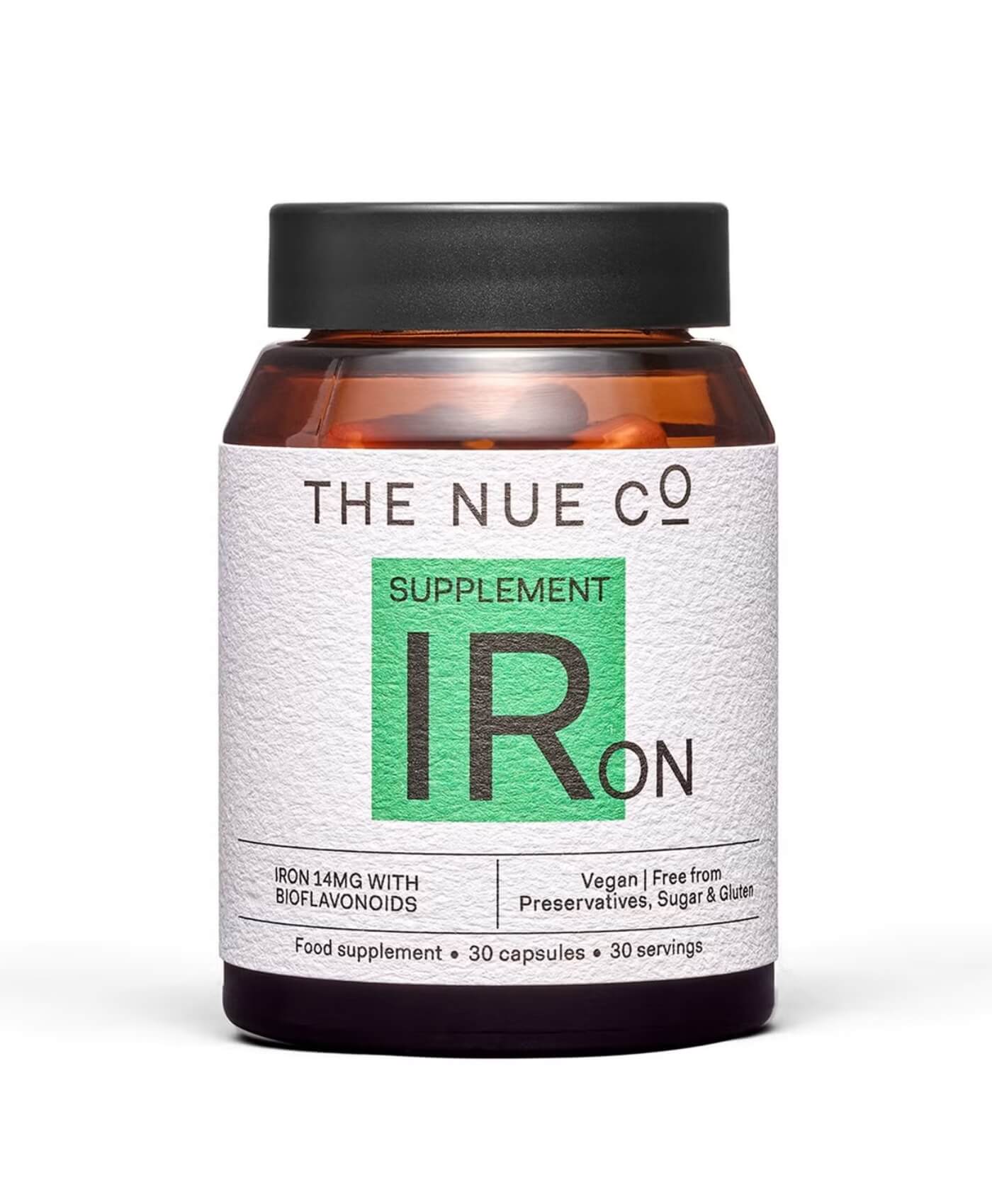
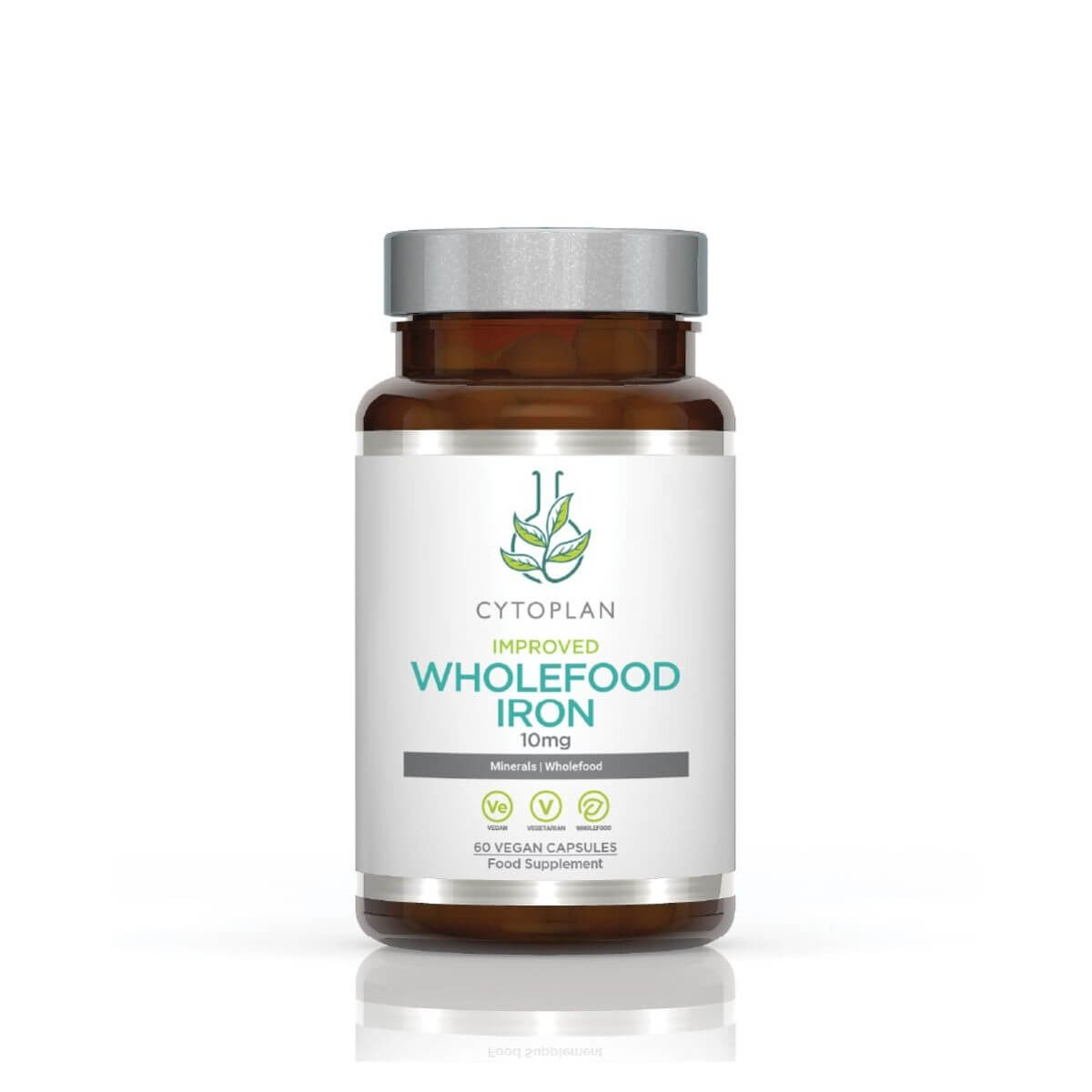
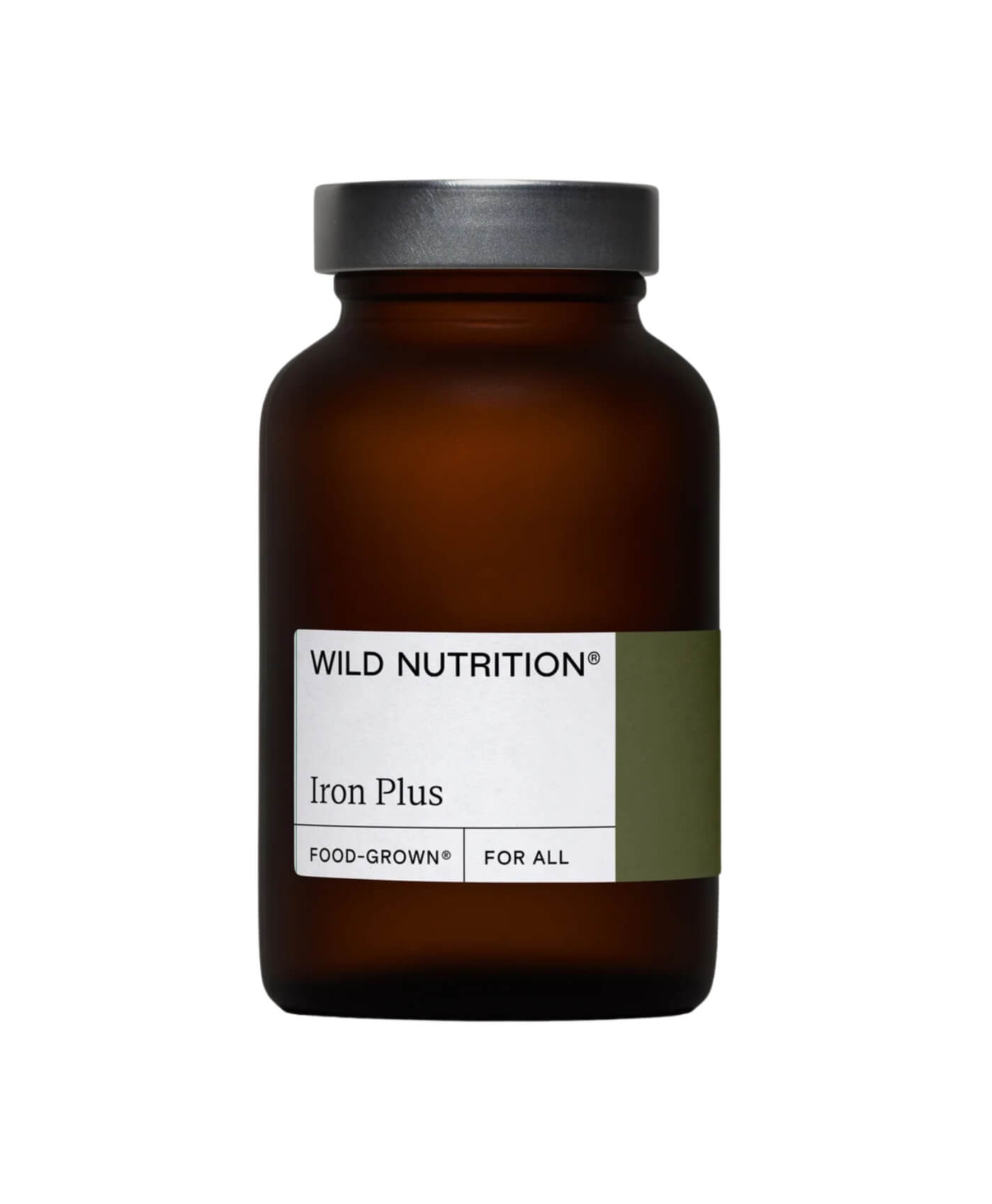
Best Iron Supplements for Women
Vitamin B12 for Women: Energy, Nerve Health, and Cognitive Function
Vitamin B12 is a powerhouse nutrient that plays a crucial role in energy production, red blood cell formation, and nervous system health. Despite its importance, vitamin B12 deficiency in women is surprisingly common. As women age, absorption decreases, and those who follow vegetarian or vegan diets are particularly at risk, since B12 is found naturally only in animal-derived foods. Research shows that many women lack in vitamin B12 without realising it, as the symptoms can be subtle and easily mistaken for other issues.
Vitamin B12 Benefits for Women
Vitamin B12 helps women maintain energy levels, supports nerve function, and protects brain health. It plays a vital role in red blood cell production, ensuring that oxygen is efficiently transported throughout the body. Adequate B12 also supports memory, concentration, and mood regulation, helping to reduce brain fog and low mood. For women of reproductive age, it supports fertility, while in later life it helps protect against cognitive decline.
Vitamin B12 Deficiency in Women
The symptoms of vitamin B12 deficiency in women can range from mild to severe and often develop gradually. Common signs include persistent fatigue, weakness, pale skin, and a tingling sensation in the hands and feet. Some women also experience difficulty concentrating, memory lapses, low mood, or brain fog. Because these symptoms overlap with stress and other deficiencies, B12 deficiency often goes undetected until blood tests confirm it.
Vitamin B12 is essential for the production of red blood cells, which carry oxygen throughout the body. Without enough B12, women are at risk of megaloblastic anaemia, a condition that causes extreme tiredness and weakness. Long-term deficiency can also damage the nervous system, leading to balance problems and even permanent nerve issues if left untreated.
Dietary sources of B12 are found mainly in animal products such as meat, poultry, fish, eggs, and dairy. For women who eat little or no animal-based food, fortified products like plant milks, cereals, and nutritional yeast can help, but these may not be sufficient to maintain optimal levels. That is why supplementation is often essential for vegetarians, vegans, and women over 50.
When it comes to vitamin B12 supplements for women, the form matters. Methylcobalamin and adenosylcobalamin are the most bioavailable and active types, making them highly effective at raising levels. Cyanocobalamin is the most common and affordable form, though it requires conversion in the body before it can be used. Most women benefit from a daily supplement of 250 mcg for maintenance, while higher doses may be required to correct a deficiency. Maintaining healthy B12 levels helps women sustain energy, protect nerve health, and support brain function – making it one of the most important nutrients to prioritise.
Best B12 Supplements for Women


Vitamin C for Women: Immunity, Skin, and Energy Support
Vitamin C is one of the most versatile nutrients for women’s health. Best known for its role in supporting the immune system, it also boosts collagen production for healthy skin, helps the body absorb iron more effectively, and acts as a powerful antioxidant to protect cells from damage. Despite being widely available in fruits and vegetables, vitamin C deficiency in women still occurs, particularly during times of stress, illness, or when diets lack fresh produce.
Vitamin C Benefits for Women
Vitamin C benefits women in multiple ways. It boosts immune resilience, helping the body fight off colds, flu, and infections more effectively. Its role in collagen production makes it a key nutrient for skin health, reducing the appearance of fine lines and supporting wound healing. Vitamin C also helps the body absorb non-heme iron from plant-based foods, making it particularly important for women prone to iron deficiency or anaemia. In addition, its antioxidant properties protect against free radical damage, supporting heart health and reducing inflammation.
Vitamin C Deficiency in Women
When women don’t get enough vitamin C, the effects can show up in a variety of ways. Early signs of low vitamin C include fatigue, irritability, dry skin, and gums that bleed easily when brushing. More noticeable symptoms can include slow wound healing, frequent colds or infections, and a general feeling of low energy. In the long term, severe deficiency can lead to scurvy, though this is rare in developed countries.
Vitamin C plays a particularly important role for women with low iron levels, since it helps increase the absorption of non-heme iron from plant-based foods. For this reason, women who are prone to iron deficiency or anaemia often benefit from pairing vitamin C–rich foods with iron sources in their meals.
Foods high in vitamin C include citrus fruits such as oranges, lemons, and grapefruits, along with strawberries, kiwis, peppers, broccoli, and leafy greens. However, since vitamin C is water-soluble and not stored in the body, levels can fluctuate and need to be replenished daily. Cooking also reduces vitamin C content in foods, which means even women with a varied diet may sometimes fall short.
For consistent support, vitamin C supplements for women can be highly beneficial. Most women benefit from a daily dose of 500 to 1000 mg, though higher amounts may be used during periods of illness or recovery. Supplements are available in several forms, including tablets, capsules, powders, and liposomal vitamin C, which may offer improved absorption.
By maintaining healthy vitamin C levels, women can strengthen immunity, promote glowing skin, and support everyday energy – making it a vital part of a well-rounded supplement routine.
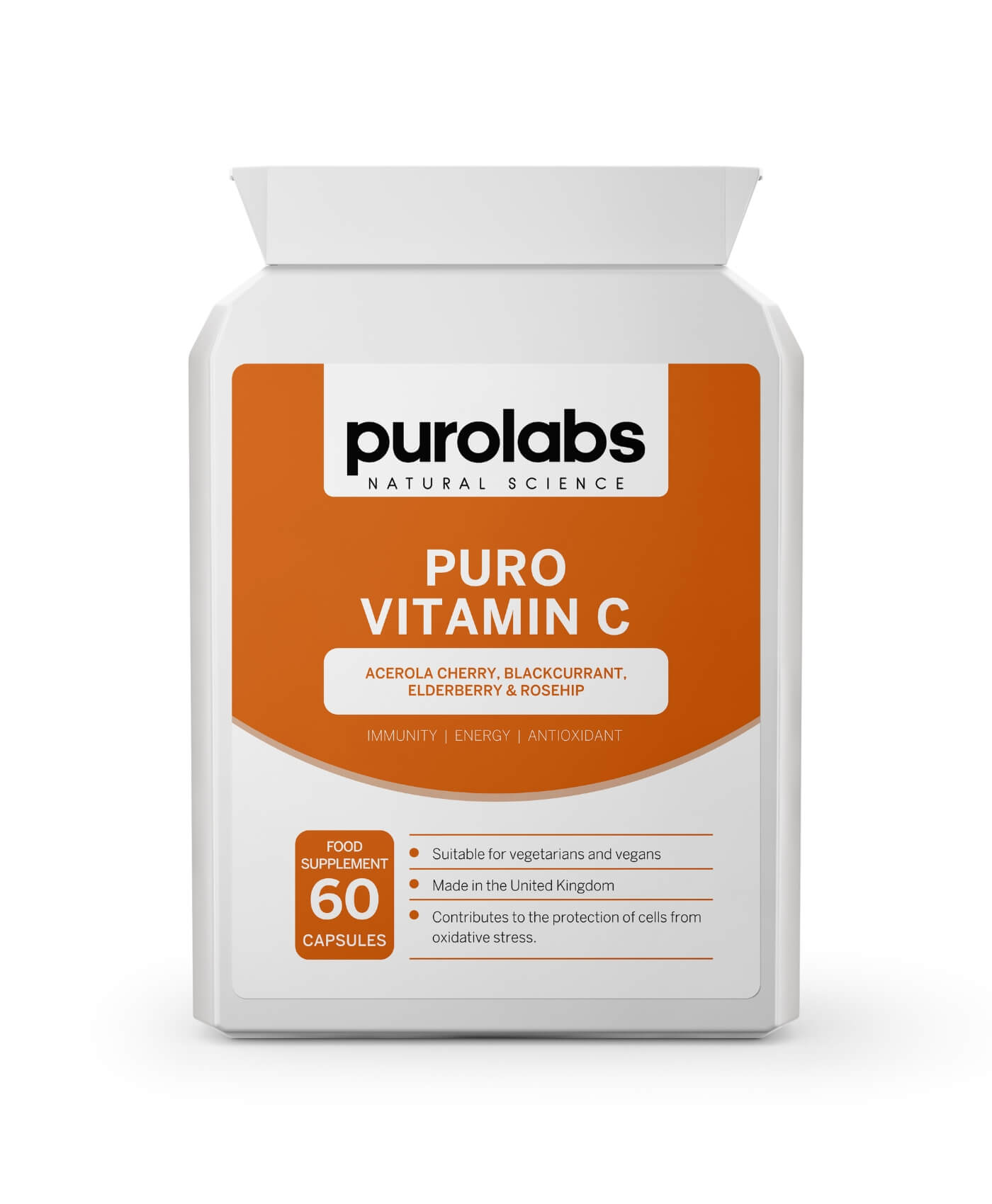
Best Vitamin C Supplements for Women


Omega-3 for Women: Hormones, Heart, and Brain Health
Omega-3 fatty acids are essential fats that the body cannot produce on its own, which means they must come from diet or supplementation. For women, they are particularly important as they reduce inflammation, support cardiovascular health, improve cognitive function, and help regulate hormones. Omega-3s also play a role in maintaining skin hydration and flexibility, making them a true multitasking nutrient.
Omega-3 Benefits for Women
The benefits of omega-3 for women extend across multiple areas of health. Omega-3s help regulate menstrual cycles and reduce PMS symptoms by balancing hormones and easing inflammation. They support heart health by lowering triglycerides, improving circulation, and protecting against cardiovascular disease. Omega-3s also enhance cognitive performance, boosting memory, focus, and mood, and they play a role in reducing the risk of depression and anxiety. For skin, omega-3 helps maintain hydration and elasticity, while also soothing inflammation linked to acne or dryness. During pregnancy, omega-3 fatty acids – particularly DHA – are essential for foetal brain and eye development.
Omega-3 Deficiency in Women
Omega-3 deficiency in women is widespread, especially among those who do not eat oily fish regularly. Signs of low omega-3 levels can include dry or flaky skin, brittle hair, persistent fatigue, low mood, difficulty concentrating, and increased menstrual discomfort. Long-term deficiency may also raise the risk of cardiovascular issues and chronic inflammation.
During pregnancy, omega-3s become even more crucial, as they are critical for foetal brain and eye development. Women with insufficient omega-3 levels during pregnancy may face a higher risk of complications and slower infant development, which is why many prenatal supplements include DHA.
Foods high in omega-3 include oily fish such as salmon, mackerel, sardines, and anchovies. Plant-based sources such as walnuts, chia seeds, flaxseeds, and hemp seeds provide alpha-linolenic acid (ALA), a form of omega-3. However, the body must convert ALA into the more active forms – EPA and DHA – and this process is not very efficient. For this reason, supplements are often the best way to ensure consistent intake.
Omega-3 supplements for women are widely available in fish oil or algae oil form. Algae oil is particularly valuable as a vegan-friendly option and a sustainable source of EPA and DHA. A daily dose of 250 to 500 mg of combined EPA and DHA is generally recommended for overall health, while higher doses may be used under medical guidance for specific concerns such as joint health, mood regulation, or cardiovascular support. Regular omega-3 intake helps women maintain hormonal balance, protect heart and brain health, and keep their skin and hair nourished.
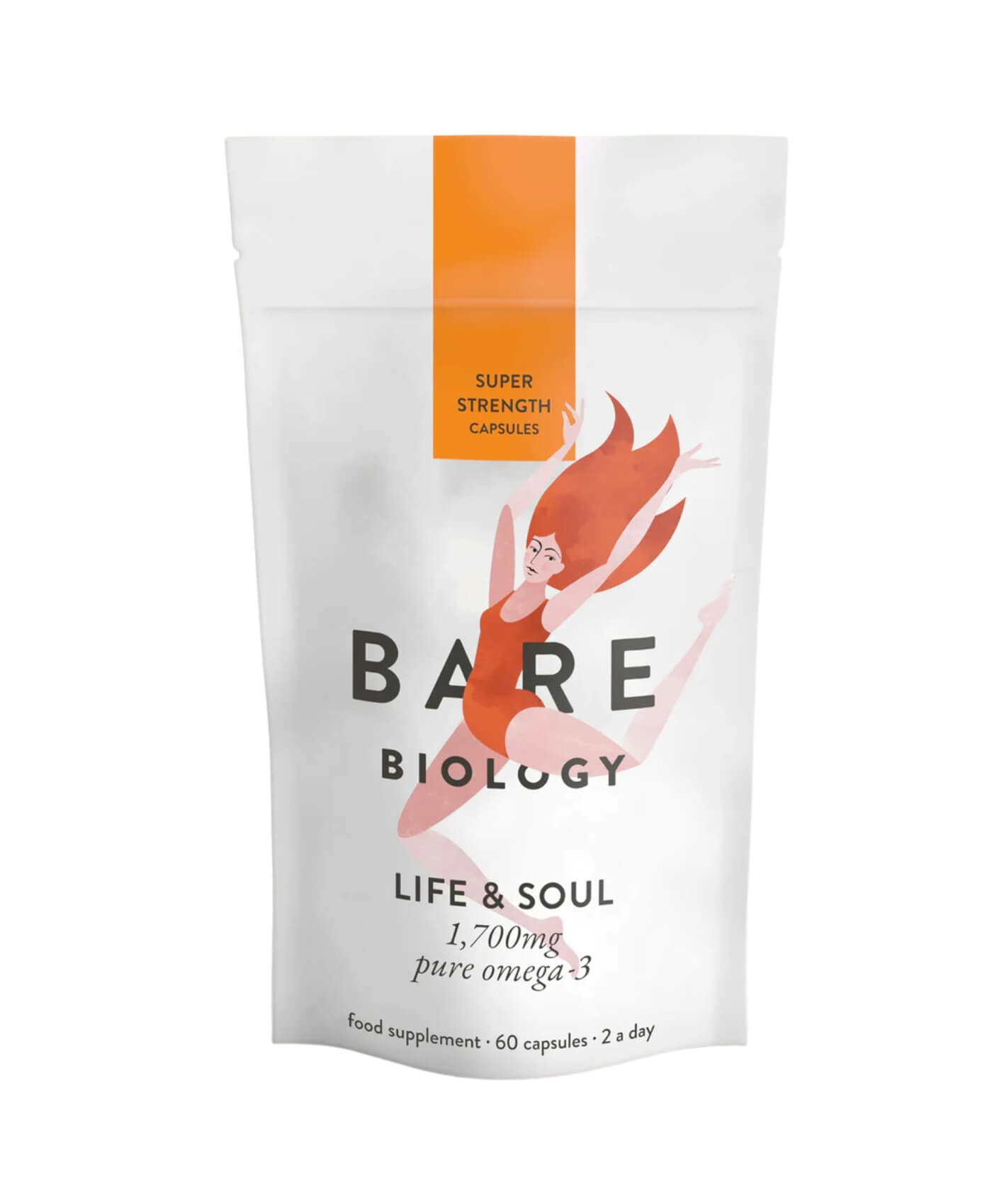
Best Omega-3 Supplements for Women


Collagen for Women: Skin, Joints, and Healthy Ageing
Collagen is the most abundant protein in the body, forming the structural foundation of skin, hair, nails, joints, and connective tissues. As women age, natural collagen production declines, typically starting in the mid-20s and accelerating after menopause due to reduced oestrogen levels. This decline contributes to visible ageing, joint stiffness, and weaker hair and nails. Collagen supplements for women have become one of the most popular ways to support beauty, mobility, and long-term health.
Collagen Benefits for Women
The benefits of collagen for women are wide-ranging. Collagen peptides improve skin hydration, elasticity, and smoothness, helping to reduce fine lines and wrinkles. They also strengthen hair and nails, reducing brittleness and breakage. Beyond beauty, collagen supports joint health by cushioning cartilage and aiding recovery from physical activity, which is particularly valuable for active women or those experiencing stiffness with age. Collagen may also play a role in gut health by strengthening the intestinal lining, supporting digestion, and reducing inflammation.
Collagen Decline in Women
Unlike vitamin deficiencies, collagen levels don’t suddenly drop, they gradually decline with age. The natural decline of collagen production means many women experience noticeable changes over time and these can include loss of skin elasticity, thinning hair, brittle nails, joint stiffness, and slower recovery after exercise. Environmental factors like sun exposure, smoking, and poor diet can accelerate collagen breakdown even further.

By the time a woman reaches menopause, natural collagen production has already fallen significantly, leading to visible changes in skin texture and resilience. Women may notice sagging skin, more pronounced wrinkles, brittle nails, and thinning hair. Joint stiffness, slower recovery after exercise, and reduced mobility are also linked to collagen loss. Lifestyle factors such as smoking, high sugar intake, and frequent sun exposure accelerate can accelerate collagen loss.
Foods that support collagen production include protein-rich sources like chicken, fish, eggs, and bone broth, as well as vitamin C–rich foods such as citrus fruits, peppers, and berries, which stimulate collagen synthesis. However, collagen itself is not found in plant foods, which is why supplementation is often the most effective way to restore levels.
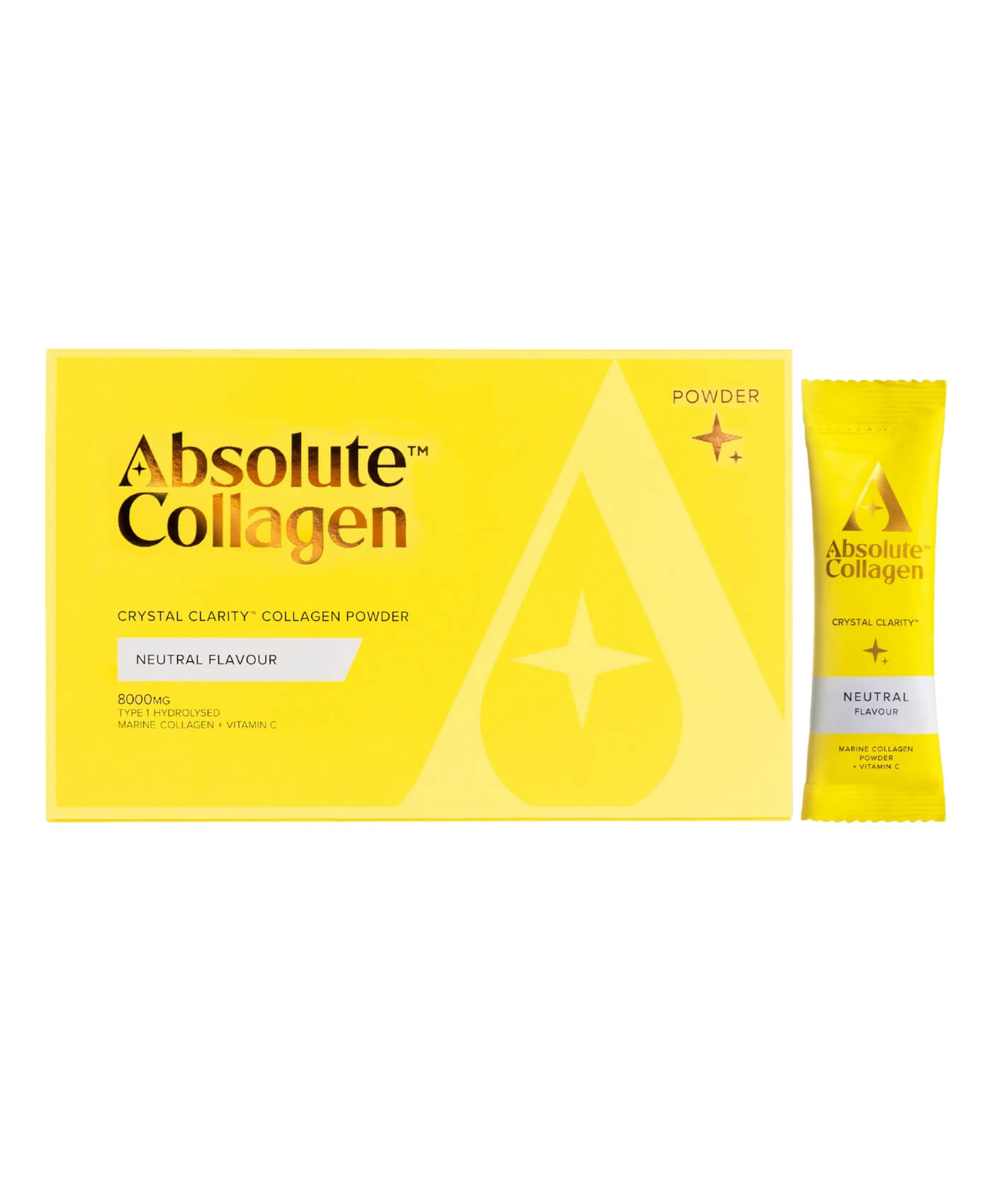
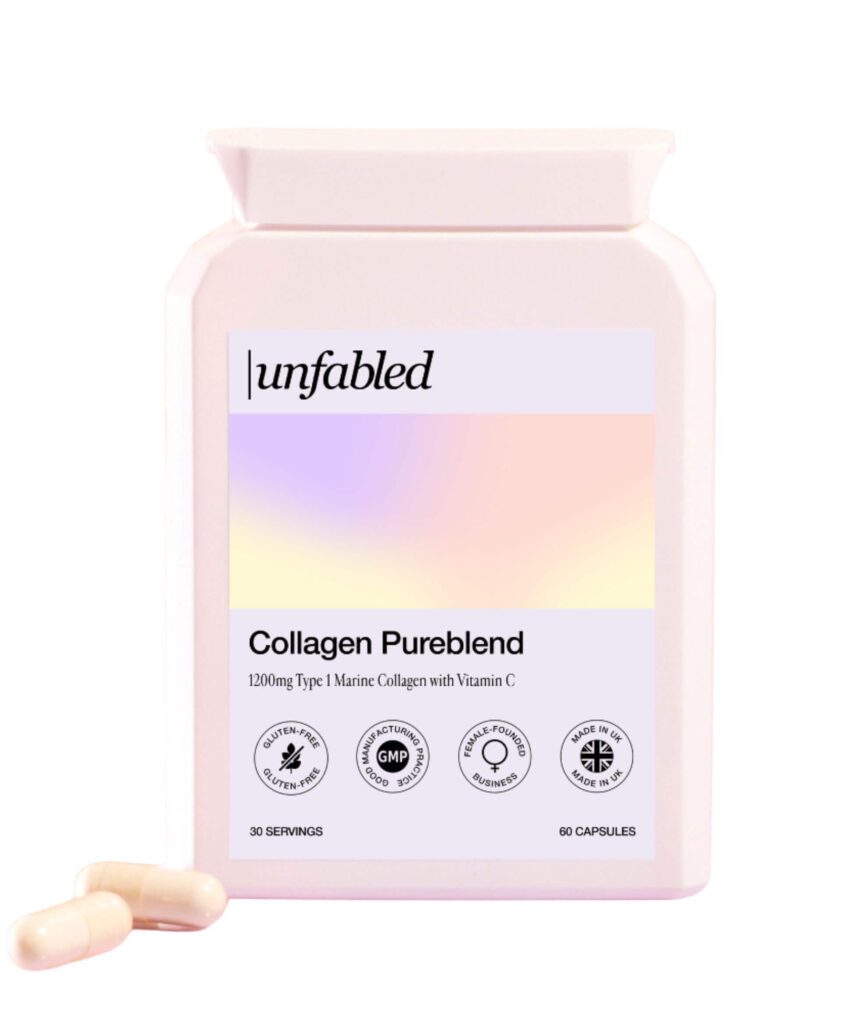
Collagen supplements for women typically come in the form of hydrolysed collagen peptides, which are broken down for better absorption. Research suggests that a daily intake of 5–10 grams can improve skin hydration and elasticity, reduce fine lines, and support joint mobility. Many collagen powders and capsules also include vitamin C or hyaluronic acid for enhanced benefits.
Best Collagen Supplements for Women

Magnesium for Women: Stress, Sleep, and Muscle Support
Magnesium is one of the most important yet overlooked minerals for women’s health. It is involved in more than 300 processes in the body, supporting everything from muscle and nerve function to energy production, blood sugar balance, and hormone regulation. Despite this, magnesium deficiency in women is widespread. Modern diets low in whole foods, combined with stress, alcohol, and caffeine, all contribute to depleted magnesium levels. This makes supplementation especially valuable for women who struggle with fatigue, PMS, anxiety, or poor sleep.
Magnesium Benefits for Women
The benefits of magnesium for women cover almost every area of health. It supports muscle relaxation, reducing cramps and tension – including menstrual cramps – and helps regulate hormone fluctuations that contribute to PMS symptoms such as mood swings, bloating, and irritability. Magnesium also plays a vital role in sleep quality, calming the nervous system and improving rest. For women experiencing anxiety, stress, or burnout, magnesium supplementation can reduce cortisol levels and improve resilience. In the long term, magnesium supports heart health, bone density, and blood pressure regulation, making it one of the most versatile supplements for women.
Magnesium Deficiency in Women
Low magnesium can show up in subtle but disruptive ways. Women often report muscle cramps, restless legs, twitching eyelids, and tension headaches. Emotional symptoms such as irritability, heightened anxiety, and low mood are also common, and sleep disturbances are one of the most frequent complaints linked to deficiency. Over time, low magnesium can compromise bone density, heart rhythm, and blood pressure regulation.
Women are particularly vulnerable during hormonal transitions. Magnesium needs rise during the menstrual cycle, and low levels have been linked to PMS symptoms including cramps, bloating, mood swings, and headaches. Supplementation may ease these symptoms by relaxing muscles, balancing hormones, and calming the nervous system. During perimenopause and menopause, declining oestrogen increases the risk of poor sleep, anxiety, and osteoporosis – all areas where magnesium can provide essential support.
Foods high in magnesium include leafy greens such as spinach and kale, pumpkin seeds, sunflower seeds, almonds, cashews, avocados, legumes, whole grains, and dark chocolate. However, soil depletion and food processing have reduced the magnesium content of many staples, and even women with balanced diets often fall short.
When it comes to magnesium supplements for women, the type matters. Magnesium glycinate is highly absorbable and well tolerated, making it ideal for sleep and relaxation. Magnesium citrate is another popular option, especially for women who also struggle with constipation. Magnesium malate may help those with fatigue or fibromyalgia-like symptoms, while magnesium threonate shows promise for supporting memory and cognitive function – particularly valuable during perimenopause and beyond.
Most women benefit from 300 to 400 mg daily, though requirements may increase with stress, heavy exercise, or pregnancy. Taking magnesium in the evening often improves sleep quality. Many women notice reduced anxiety, fewer muscle cramps, and better energy balance within weeks of consistent supplementation.
For women navigating PMS, perimenopause, or the daily demands of modern life, magnesium is one of the most effective and versatile supplements. It supports hormone health, eases stress, improves sleep, and strengthens bones – making it an essential mineral for long-term wellbeing.
Best Magnesium Supplements for Women


Evening Primrose Oil for Women: PMS, Hormones, and Skin Health
Evening primrose oil has long been recognised as a powerful supplement for women’s health, thanks to its high content of gamma-linolenic acid (GLA), an omega-6 fatty acid that plays a role in hormone regulation and reducing inflammation. For women, it is particularly valued for easing PMS symptoms, supporting skin health, and helping to balance hormones during different life stages.
Evening Primrose Oil Benefits for Women
One of the most widely recognised evening primrose oil benefits for women is its ability to provide relief from PMS symptoms. Many women find it helps reduce breast tenderness, bloating, irritability, and mood swings by supporting the body’s natural hormone fluctuations throughout the menstrual cycle. Some studies also suggest it may ease menstrual cramps by reducing inflammation and improving blood flow.
Evening primrose oil can also be beneficial during perimenopause and menopause, when hormonal shifts often trigger hot flashes, mood changes, and disrupted sleep. While results vary from woman to woman, supplementation may help smooth the transition by providing extra hormonal support.
Skin is another area where evening primrose oil shines. Its anti-inflammatory properties and GLA content can help improve skin hydration, reduce acne flare-ups linked to hormonal changes, and support overall skin elasticity. For women struggling with dry skin or conditions such as eczema, evening primrose oil is often recommended as part of a holistic skincare routine.
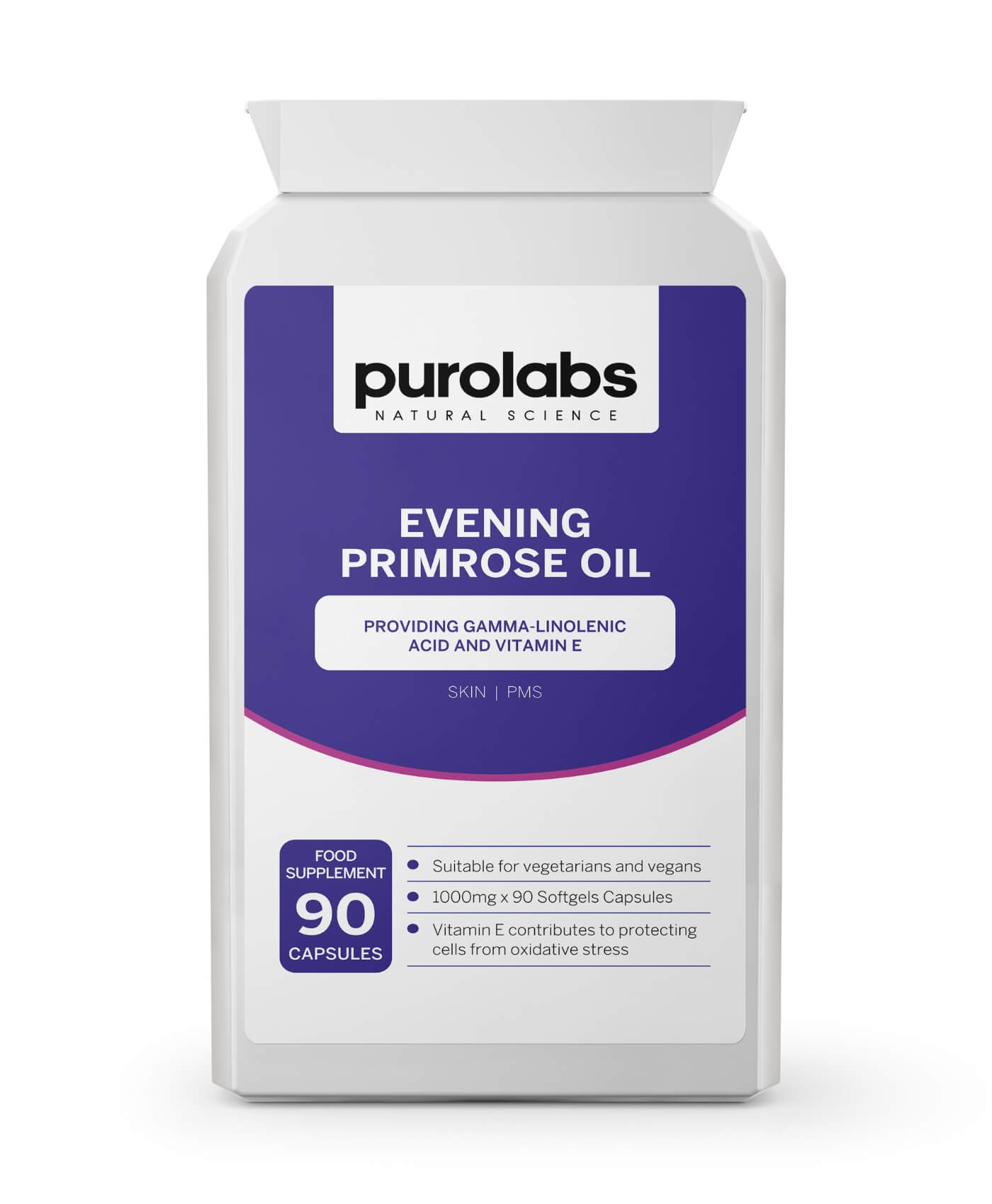
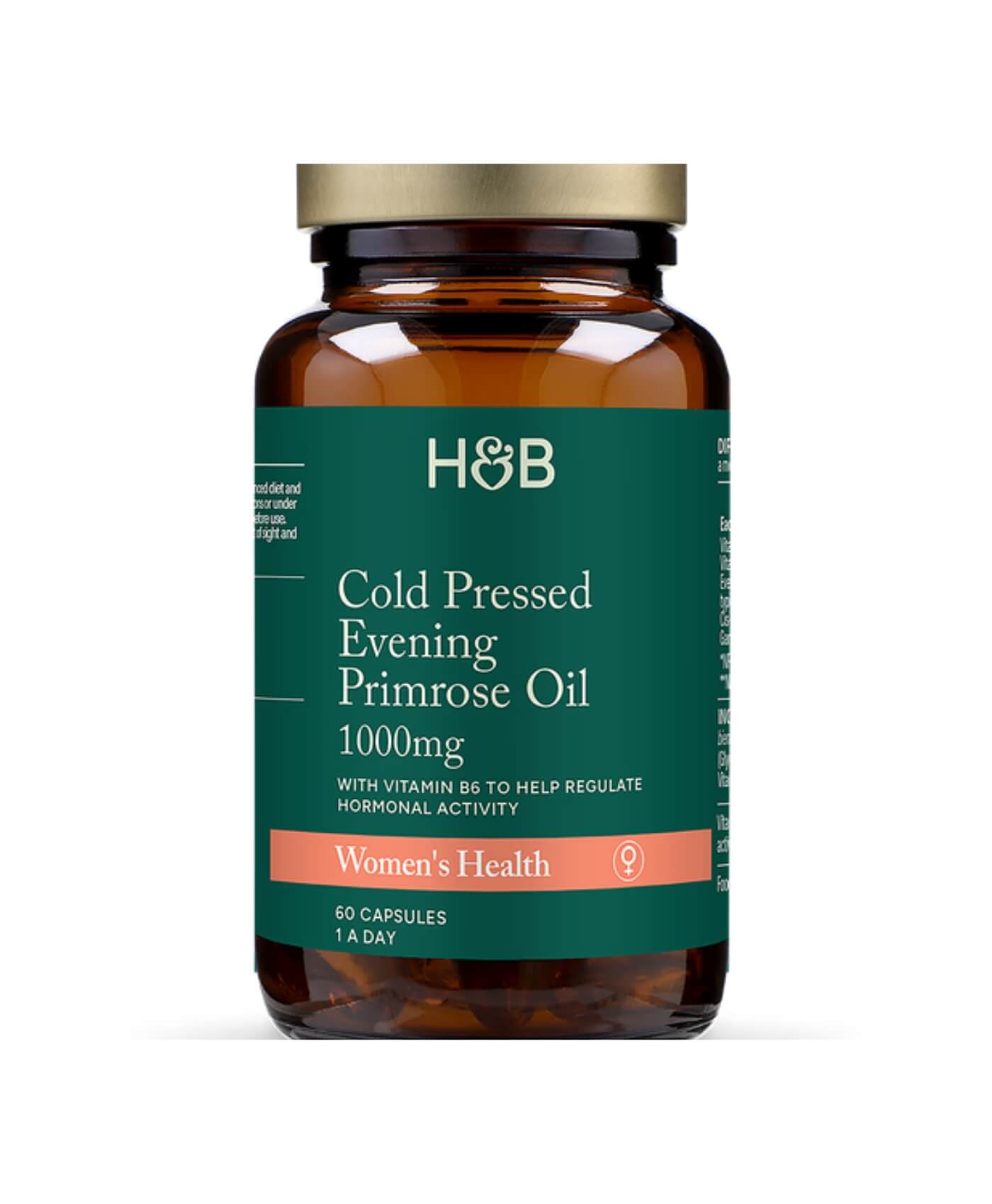
Evening primrose oil is available in capsules or liquid form, with most women benefiting from 500 to 1000 mg daily. It is generally well tolerated, though results may take several weeks of consistent use. For the best effect, many women combine evening primrose oil with omega-3 supplements, since the two work synergistically to reduce inflammation and support hormonal balance. For women seeking natural support with PMS, perimenopausal changes, or skin concerns, evening primrose oil offers a gentle yet effective option.
Best Evening Primrose Oil Supplements for Women

Probiotics for Women: Gut, Vaginal, and Immune Health
Probiotics are live microorganisms – often called ‘good bacteria’ – that help maintain a healthy balance in the gut and beyond. For women, probiotics are especially valuable because they support not only digestion and immunity but also vaginal health, reducing the risk of common issues such as thrush and urinary tract infections (UTIs).
Probiotic Benefits for Women
One of the key benefits of probiotics for women is their ability to restore and maintain a healthy gut microbiome. A balanced gut supports efficient digestion, regular bowel movements, and nutrient absorption. It also plays a central role in immune defence, as much of the immune system is located in the gut.
For vaginal health, probiotics help maintain the natural acidic pH of the vagina and support populations of Lactobacillus bacteria, which act as a natural defence against yeast infections and harmful bacteria. Women who experience recurrent thrush, bacterial vaginosis (BV), or UTIs often find that regular probiotic use reduces flare-ups and helps restore balance.
Probiotics may also play a role in mental wellbeing, as research increasingly shows links between gut health and mood – often referred to as the “gut-brain axis.” For women managing stress, anxiety, or fatigue, probiotics can therefore be an indirect but valuable tool for resilience.
Probiotic supplements for women are available in capsule, powder, and even gummy form. When choosing one, it’s important to look at the strains included, as different strains have different benefits. For women’s health, strains such as Lactobacillus rhamnosus, Lactobacillus reuteri, and Bifidobacterium lactis are especially beneficial.
A typical dose ranges from 1 to 10 billion CFUs (colony-forming units) daily, although higher doses may be recommended in some cases. Probiotics are safe for most women to take long-term, but the quality and formulation of the product are key. Look for brands that are third-party tested and designed specifically for women’s health.
For women seeking better digestion, stronger immunity, and protection against vaginal health concerns, probiotics are a natural and effective choice.
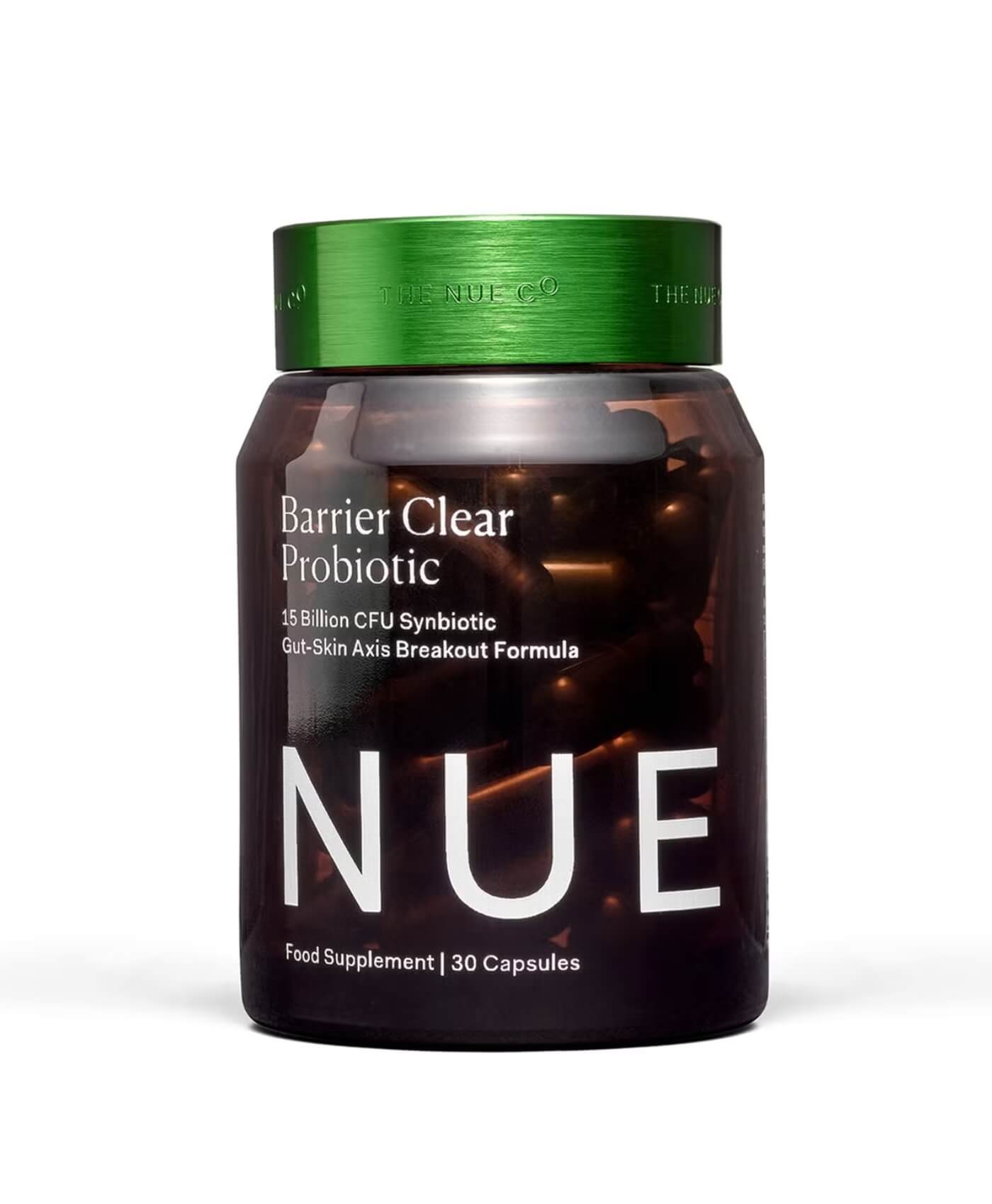
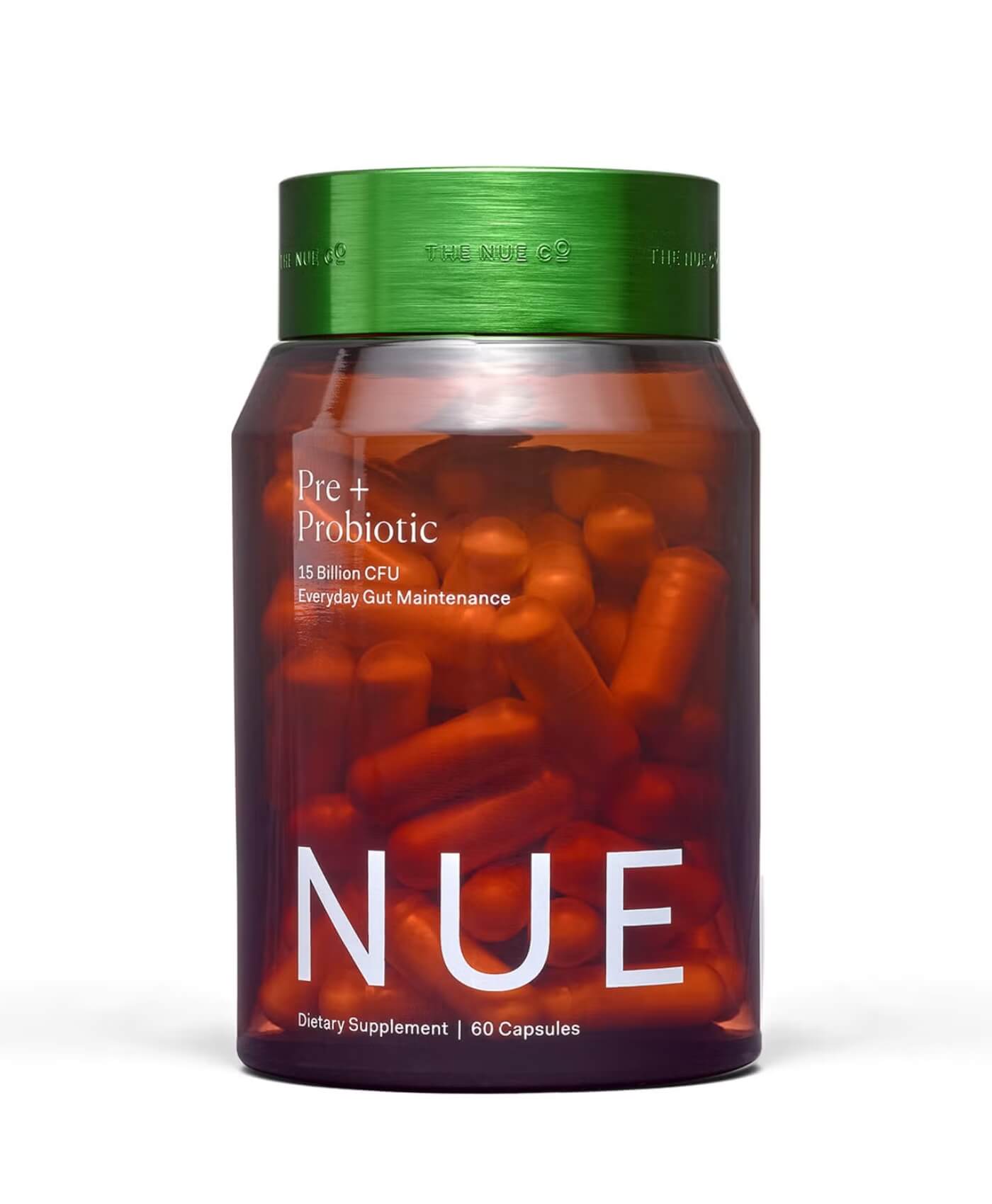
Best Probiotic Supplements for Women

All-in-One Supplements for Women
While targeted supplements like vitamin D, iron, and magnesium are often necessary, many women don’t want to juggle multiple tablets every day. That’s where all-in-one supplements come in. These blends combine the most important nutrients for women’s health – such as vitamin D3, B12, vitamin C, calcium, magnesium, and iron – into a single, convenient formula. Some advanced versions even include omega-3s, probiotics, or collagen peptides, providing a more holistic approach to women’s wellness.
The biggest benefit of all-in-one supplements is simplicity. Instead of reaching for multiple bottles, one daily serving – whether in a capsule, tablet, or powder form – can provide broad coverage of essential nutrients. Many blends are intelligently formulated to combine nutrients that work synergistically, such as vitamin C to enhance iron absorption or vitamin D3 to support calcium uptake. For women with busy schedules, all-in-one supplements make it far easier to stay consistent and meet daily nutritional needs.
Multivitamins vs. All-in-One Supplements: What’s the Difference?
It’s important not to confuse high-quality women’s blends with generic multivitamins. While both may look similar on the shelf, the difference lies in the formulation. Many cheap multivitamins contain a long list of nutrients in very small, ineffective doses – often just enough to appear impressive on the label. Worse still, some multivitamins include unnecessary fillers, unsafe levels of certain fat-soluble vitamins (like vitamin A or E), or lack third-party testing, raising questions about purity and accuracy.
Research also shows that generic multivitamins do not reliably lower the risk of chronic disease or extend lifespan, and in some cases may even cause harm if taken in excess. This is why women should approach multivitamins with caution and instead look for targeted, third-party tested all-in-one supplements specifically formulated for women’s needs.

For most women, a high-quality all-in-one supplement provides excellent baseline support. However, individual supplementation may still be necessary depending on lifestyle or health stage. Women with diagnosed iron deficiency may need additional iron, vegans may benefit from topping up with algae-based omega-3s, and pregnant or breastfeeding women should always choose prenatal-specific blends with higher levels of folic acid, iron, and DHA.
While they should never replace a balanced diet, all-in-one supplements are one of the most practical ways for women to cover daily nutritional needs. They provide a complete foundation for health, supporting bones, hormones, immunity, energy, and skin – without the overwhelm of taking 100 different tablets a day.
Best Supplements for Women: All-in-One Blends


Genetic Tailoring & Precision Supplements: The Future of Personalised Nutrition
As the wellness world evolves, more women are looking beyond generic supplement routines and exploring ways to make nutrition truly personal. One of the most exciting innovations in this space is the rise of genetic testing for precision supplements. Instead of relying on a one-size-fits-all multivitamin, these systems use DNA insights to create formulas tailored to your unique biology.
It begins with a simple at-home DNA test, which analyses genetic markers related to nutrition, metabolism, and overall health. The results reveal how your body processes specific vitamins and minerals, how efficiently you absorb certain nutrients, and even how your system responds to exercise and diet. Using this information, a personalised supplement formula is created – often containing up to 22 essential micronutrients -delivered in the form of capsules, powders, or sachets designed for maximum absorption. The goal is simple – to take the guesswork out of supplementation and give women a smarter, data-driven approach to wellness.
The appeal is clear. For busy women, precision supplements offer the promise of a highly targeted routine that provides only what your body actually needs – no unnecessary extras, no under-dosing, and no risk of taking handfuls of ineffective tablets. But it’s important to recognise that while nutrigenomics – the science of how genes interact with nutrition – is a rapidly growing field, it is still in its early stages. Research shows great potential, but experts caution that the evidence behind many personalised recommendations is not yet definitive. Genetic tailoring can provide valuable insights, but it should be seen as a complement, not a replacement, for evidence-based nutrition and high-quality, third-party tested supplements.
A major player in this space is 10X Health Precision Nutrition, which offers tailored supplements based on DNA testing. The company has also teamed up with REVIV, a global leader in IV therapy, to deliver personalised IV drips alongside precision supplements. This partnership reflects a growing trend in women’s health – combining cutting-edge science with holistic wellness, so that supplementation and nutrient therapy can be adapted in real time to individual needs. For some women, this means optimised supplement routines; for others, it may include targeted IV infusions for faster absorption and recovery.
For women interested in future-forward health strategies, genetic tailoring represents an exciting frontier. It’s a way to make nutrition as unique as your DNA – best adopted thoughtfully, and always alongside the proven foundations of a healthy diet, lifestyle, and clinically backed supplements.