
Whether you are looking to deepen your understanding of intersectional feminism or simply want to explore the history of women’s rights, diving into the best feminist books is a powerful place to start. Womanhood looks vastly different for everyone, and the most impactful feminist literature captures the beautiful, messy complexities of the female experience across time and cultures. From timeless classics and personal memoirs to modern feminist books redefining equality today, we’ve rounded up the best feminist books every woman should read.
Best Feminist Books To Read In 2026
To help you build your home library, we’ve curated an essential reading list of the top feminist books to read in 2026, giving you plenty of powerful options to explore month by month. Ranging from pivotal feminist novels that sparked global movements to contemporary essays dissecting modern gender politics and identity, these books promise to challenge and inspire in equal measure. As Chimamanda Ngozi Adichie famously said: “we should all be feminists,” and these eye-opening reads amplify the strength, resilience and vital voices of women worldwide.
Classic Feminist Books
Discover some of the most influential classic feminist books ever written, from the bold heroines of Charlotte Brontë to the lyrical, unapologetic storytelling of Zora Neale Hurston. These foundational works of feminist literature laid the groundwork for the conversations around autonomy, identity and female desire that continue to shape modern feminism today.
For lovers of classic literature, these early representations of womanhood offer far more than period drama. They challenge social conventions, interrogate gender roles and place women’s inner lives firmly at the centre of the narrative. Long before the language of contemporary feminism existed, these novels explored independence, ambition, sexuality and self-determination with striking clarity – making them essential feminist classics every woman should read.
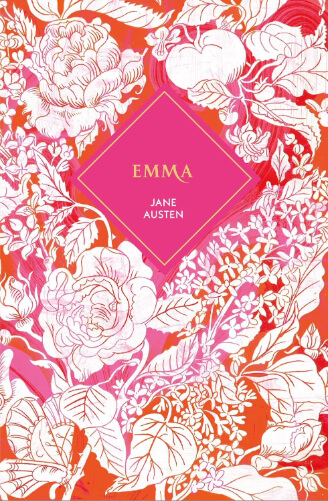
Emma by Jane Austen
Published in December 1815, Emma follows the wealthy and socially confident Emma Woodhouse as she navigates the conventions of Regency England. Convinced she does not need to marry, Emma instead spends her time matchmaking for friends and neighbours. Her misplaced confidence leads to social and romantic mishaps, all explored through Jane Austen’s comedy-of-manners style.
Austen portrays a heroine driven by her own will and challenges the literary female norms of the time. Emma is both defiant and flawed, a contradiction that still draws in many modern readers today. At its heart, the book is about female agency and the knowledge to choose your own path.
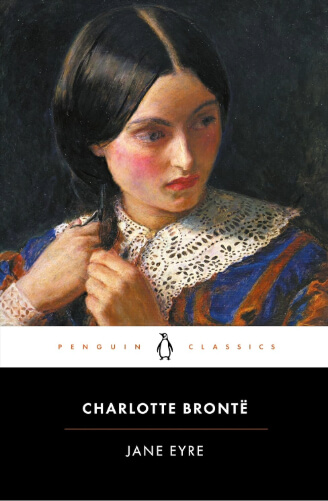
Jane Eyre by Charlotte Brontë
Charlotte Brontë published Jane Eyre under the pseudonym Currer Bell, and the novel is widely regarded as a classic of English literature. With its Gothic and romantic elements, the story centres on a young orphan, Jane, who endures mistreatment by authority figures throughout her childhood. The novel traces her arc from a vulnerable girl to an empowered woman.
Jane represents a desire for equality that defies the expectations of a Victorian woman. As seen within her relationship, she insists on fair financial status and the freedom to make her own choices, which are hallmarks of feminism. For these reasons, contemporary readers continue to resonate with Jane Eyre, and it remains highly regarded.
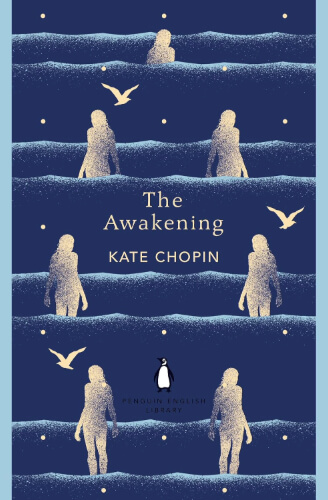
The Awakening by Kate Chopin
Set against the backdrop of the oppressive postbellum South, the novel defies the gender norms of its time and asserts its own rights. Considered controversial upon its publication in 1899, The Awakening explores themes of female personal and sexual freedoms. The story depicts the journey of Edna Pontellier, a young mother who yearns to reconnect with her sense of self. A holiday in Grand Isle first catalyses this realisation, and from there, Edna attempts to reclaim her life.
The book is both exploratory and real through its portrayal of the reality of womanhood in the 19th-century. With its artistic undercurrent, readers remain connected to Edna’s struggles as a woman navigating domesticity and personal freedoms. The novel is hailed as a fundamental feminist book to this day.
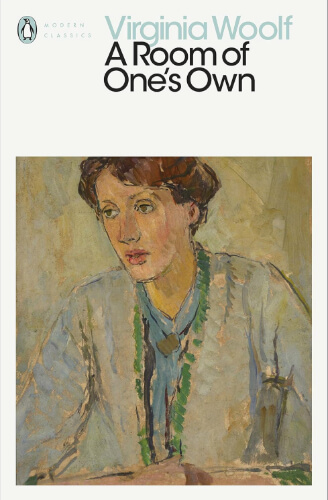
A Room of One’s Own by Virginia Woolf
Virginia Woolf originally published her influential book-length essay in 1929 through her own publishing house, Hogarth Press. Based on two lectures given at women’s colleges at the University of Cambridge, Woolf explored the constraints surrounding female writers throughout the centuries. She argued that for women writers to fulfil their livelihoods, they required access to financial security.
Across six chapters, Woolf dissects the exclusion of women from education and wealth in history. Made up of six chapters of narrative theory and personal reflection, she looks to notable female writers such as Jane Austen, Charlotte Brontë, and Shakespeare’s (fictional) sister. The essay persists as a seminal feminist work, with Woolf’s call to action remaining timeless and inspiring.
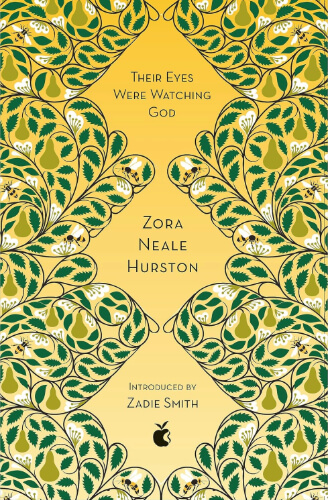
Their Eyes Were Watching God by Zora Neale Hurston
Noted by Zadie Smith as one of the greatest American novels of the 20th century, the book is a moving depiction of Black Southern Life. It was published in 1937, just after the height of the Harlem Renaissance. The book traces the life story of Janie Crawford, who begins the novel as a young girl unable to assert her freedoms.
Despite the power struggles tied to her marriages, Janie learns to reclaim her voice and sense of independence. Readers and critics now regard the novel as a classic of African American literature and as a powerful story about a woman finding her voice, identity, and freedom.
Modern Feminist Books
This collection of modern feminist books spans the decades during and beyond the second wave of feminism, reflecting how the movement has evolved while confronting many of the same structural inequalities. These contemporary feminist titles centre women’s lived experiences across cultures, identities and generations, examining power, politics, work, motherhood, sexuality and autonomy in an increasingly complex world.
While progress has been made, these books make clear that the fight for equality is far from over. From deeply personal memoirs to sharp cultural criticism, they illuminate the barriers women continue to navigate and the resilience with which they do so. If you’re particularly interested in female ambition, leadership and economic empowerment, you may also wish to explore our guide to the best business books for women, featuring inspiring reads on women in business and professional success.
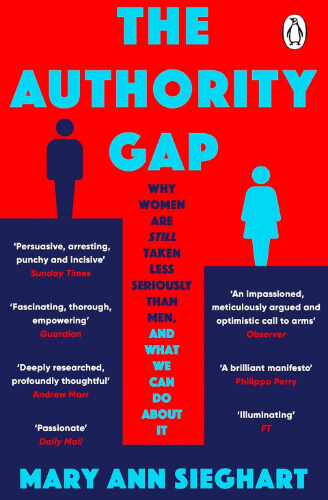
The Authority Gap: Why women are still taken less seriously than men, and what we can do about it by Mary Ann Sieghart
If you’re questioning the disparity between men and women, you should read The Authority Gap. Based on extensive research and interviews with leading female figures, Mary Ann Sieghart uncovers why this gulf exists. Through powerful insights, she highlights exactly how these inequalities take shape in our everyday lives.
This enlightening non-fiction feminist book brings a new perspective on the inequalities happening behind the scenes. It’s one of the best modern reads to educate yourself on how and why this gap continues to persist, and offers solutions to better change our responses.
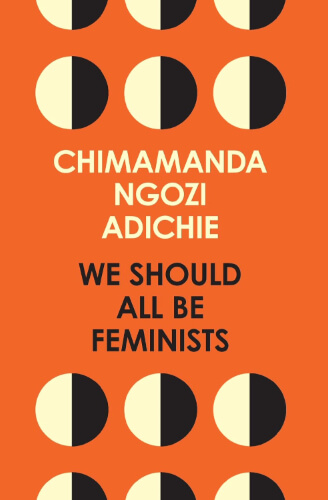
We Should All Be Feminists by Chimamanda Ngozi Adichie
Chimamanda Ngozi Adichie’s personal essay, the bestselling New York Times book, was adapted from her similar TedX talk where she explores the idea of womanhood. The central message of the book suggests that feminism is an integral movement we should all be a part of. By redefining what it means to be a feminist in the modern age, the book makes itself an unmissable read.
The book is provocative in its exploration of femininity, shedding new light on the politics dictating the lives of women. Bringing together research insights with her own personal experiences, Adichie voices an inspiring call to action we all need.
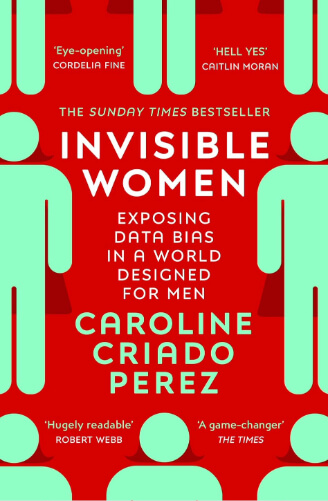
Invisible Women: Exposing Data Bias in a World Designed for Men by Caroline Criado Perez
Caroline Criado Perez exposes the systemic ways in which women are overlooked in this eye-opening feminist book. Drawing attention to the inequalities that shape womanhood, she interrogates these patriarchal structures and the silent damage they inflict upon women’s lives.
Through practical research, she explores the exclusion women face, using insights across government policy, the medical industry, workplaces and more. These patterns of inequality continue to surface in everyday life, such as housing and financial access, as explored in our piece on gender disparity among first-time buyers. Going beyond the statistics, Criado Perez illustrates the lives of real women affected by these structures in case studies and personal stories. It’s a vital feminist read that exposes the gap between men and women and challenges the way we perceive society.
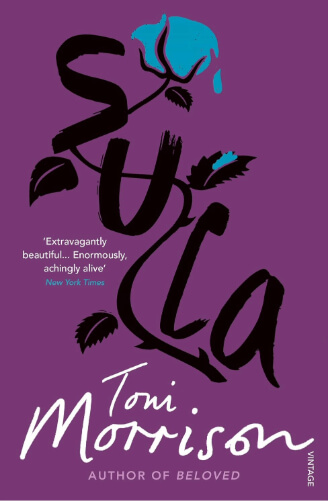
Sula by Toni Morrison
Tony Morrison, awarded the 1993 Nobel Peace Prize for Literature, is considered one of the best contemporary American novelists. Her novel Sula spans the period from 1919 to 1965, depicting the friendship between Sula Peace and Nel Wright. As they grow up in a small community in Ohio, both women navigate racial tensions and social expectations.
Through its portrayal of female non-conformity and its rejection of conventional marriage and motherhood, Sula establishes itself as a feminist novel. It’s a deeply moving and radical read, one that defied the norms of its time and advocated for female freedoms.
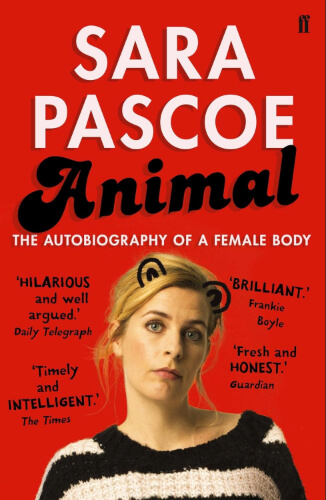
Animal: The Autobiography of a Female Body by Sara Pascoe
Comedian Sara Pascoe takes readers on a journey through the female body in her hilarious and insightful Animal. Part autobiography, part evolutionary history, the book explores the remarkable workings of the female body through a blend of scientific research and personal storytelling. Investigating the science of womanhood, Pascoe examines how our evolutionary make-up continues to shape the modern woman.
Both deeply personal and widely relatable, this is a book many women will want on their shelves. If you’re looking to better understand yourself, cultivate a healthier sense of self-acceptance, and embrace your inner wild side, this book is for you.
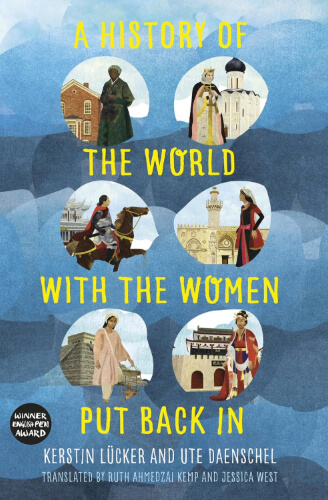
A History of the World with The Women Put Back In by Kerstin Lucker
Historically, women were ostracised, with history focusing only on male importance. In this riveting tour of women’s history, discover prominent female figures who made integral contributions to their time. The book reasserts the value of these women, giving a new voice to their stories.
You will read about the powerful daughters of Genghis Khan who ran their father’s empire, as well as various activists, writers, and invaluable women who contributed to war efforts. A History of the World honours their legacies and creates space to celebrate and share their stories. Find yourself moved by the inspiring accomplishments of these women.
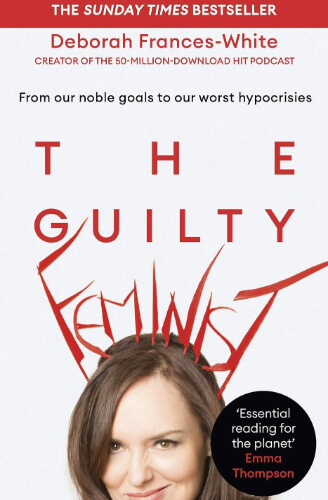
The Guilty Feminist by Deborah Frances-White
This vital feminist companion confronts women’s issues in the modern age head-on. From rights to sexuality, Deborah Frances-White holds up a critical lens to our modern society. Her exploration is also supported by real-life insights from women across a range of spaces, including leading figures, activists and businesswomen.
Through her research, Frances-White guides women towards achieving a more authentic and assertive self, including how to say no when necessary. The book is both an insightful, educational read and a self-help movement that all women deserve to be a part of.
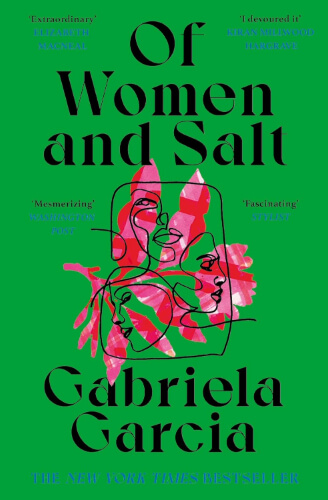
Of Women and Salt by Gabriela Garcia
Of Women and Salt centres on the lives of Latina women, each shaped by personal and political struggles. Spanning back to 19th-century Cuba, María Isabel is stirred to action by a leader in Cuba’s independence movement. In the present day, Carmen’s daughter, Jeanette, grapples with addiction and the lasting effects of trauma.
Shifting between 1866 and 2019, and moving from Cuba to Miami, the novel illuminates the lives of women across five generations. It explores how they are shaped by trauma and adversity, yet persist through it all. This read stands as a compelling feminist book, offering a female-centred perspective that bridges hardship and healing.
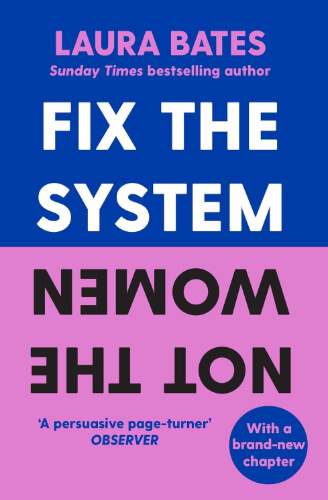
Fix the System, Not the Women by Laura Bates
In Fix The System, Laura Bates sets the stage by first outlining the issue of internalised misogyny and the blame that falls upon women. She then proceeds to deconstruct this blamefulness, highlighting the systemic issues that keep women at fault. As an author, journalist and founder of the Everyday Sexism Project, Bates provides a new perspective on five key societal structures. Striking and expository, she uncovers the flaws within education, politics, media, policing and criminal justice.
Readers will find her fusion of evidence and personal insights both devastating and profound. It’s an impactful book to get started with if you’d like to learn more about the effects of the patriarchy and how we can work together to reverse them.
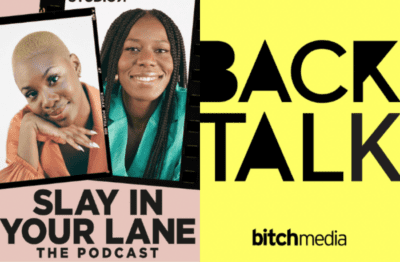
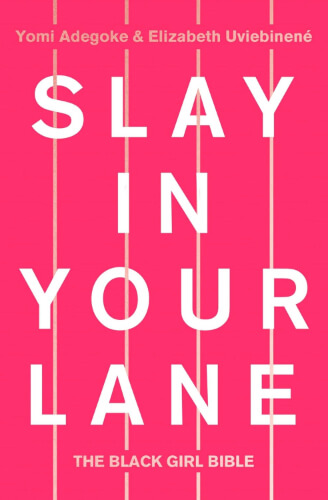
Slay In Your Lane: The Black Girl Bible by Yomi Adegoke and Elizabeth Uviebinené
Besteller Slay In Your Lane is a fundamental and empowering guide to womanhood that champions the experience of Black British women. The book highlights their moves and achievements, while continuing to support women at every stage of their journey.
Written by two friends and acclaimed British authors, journalists, and campaigners, the book continues to inspire the next generation and advocate for a legacy of ambition and success. It’s an honest and exciting feminist book that sparks vital dialogue around the lived experiences of Black women in Britain, serving as both a celebration and a call to action.
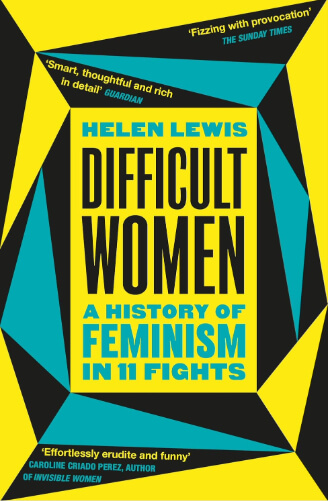
Difficult Women: A History of Feminism in 11 Fights by Helen Lewis
Journalist Helen Lewis’s Difficult Women draws attention to the realities of the suffragettes who fought vigorously to be seen and heard. Over time, the narrative has been told otherwise, distorted to create perfect storybook heroines. Lewis pushes back against this perfectionism, instead, illuminating the loud, essential and often nuanced figures who fought for female rights.
She weaves together both archival research and interviews to present a tapestry of ‘difficult women’. Their legacy has shaped modern womanhood, and for women today, they represent hope for a better future. We, too, can continue their legacy by standing up and speaking out.
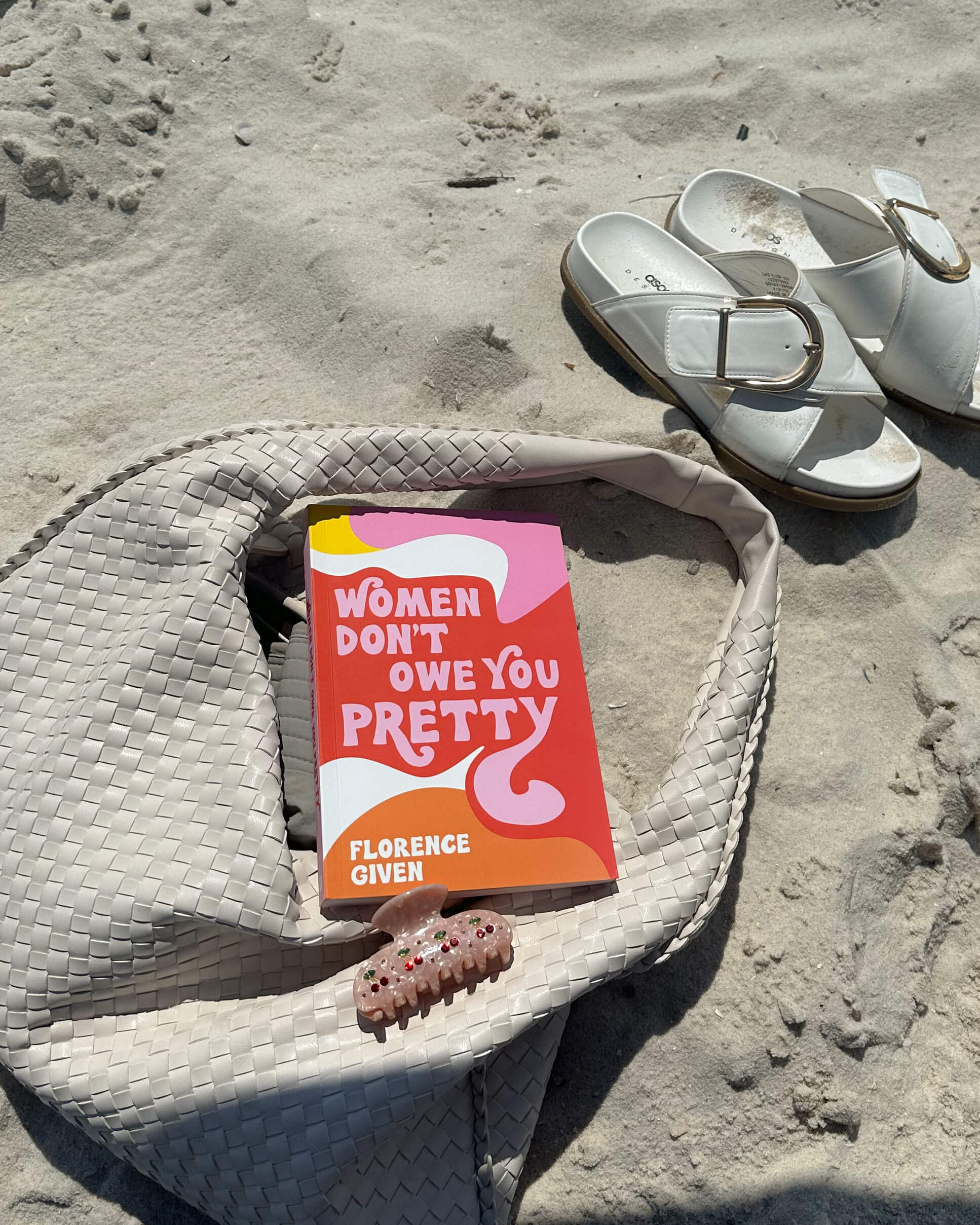
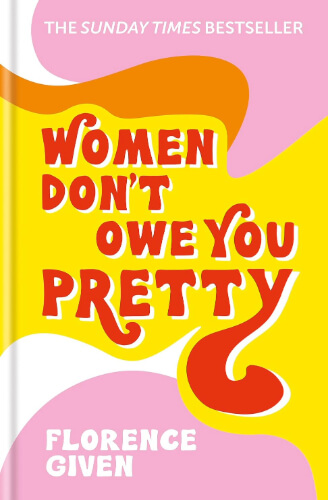
Women Don’t Owe You Pretty by Florence Given
Illustrator and writer Florence Given champions female empowerment in her vibrant and personal book Women Don’t Owe You Pretty. She advocates for us to let go of restrictive patriarchal expectations and embrace our true selves.
At the centre of the book is the message that women don’t owe men anything. Instead, Given guides her readers towards a bolder version of themselves. Told through her own story and lessons she’s learned along the way, her book is the perfect read to feel uplifted.
Feminist Fiction
The best feminist fiction brings women’s voices and perspectives to the forefront. These books challenge traditional narratives and reshape the way female stories are told. Here you will find everything from intimate coming-of-age journeys to explorations of power and resistance.
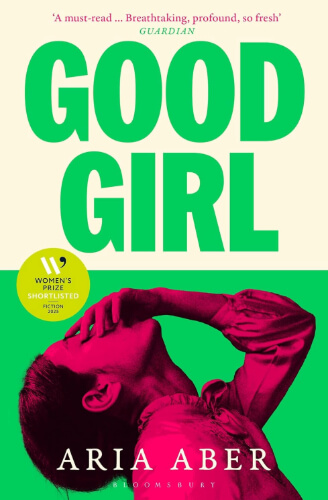
Good Girl by Aria Aber
Shortlisted for the Women’s Prize for Fiction 2025, Good Girl follows the story of nineteen-year-old Nila, a young woman living in Germany. Her family is from Afghanistan, but Nila resists her true roots, desiring to hide the scars of her past.
In the dark, hazy space of the underground techno scene in Berlin, she encounters enigmatic American writer Marlowe Woods. From there begins a tumultuous relationship, and everything Nila thought she knew of herself is contested. This coming-of-age novel interrogates femininity, identity and belonging, making it a compelling read for any reader exploring modern feminist literature.
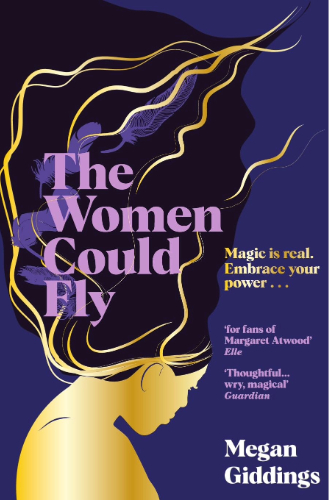
The Women Could Fly by Megan Giddings
Megan Giddings, writer and assistant professor at the University of Minnesota, delivers a powerful female dystopian fantasy in her second novel. The premise of the story is that women remain under invasive surveillance in a patriarchal state. Not only are they suspected of witchcraft, but their personal choices are dictated, including the requirement to be married by 30.
Protagonist Josephine Thomas has her own complicated history, with her missing mother thought to be a witch by those around her. Alongside its portrayal of their turbulent relationship, the novel unpacks Josephine’s complicated ties to her family and her lover. Ultimately, it centres on feminist themes, exploring agency, expectations, and how patriarchal systems shape female identity.
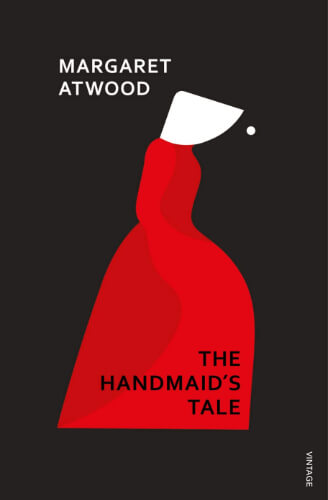
The Handmaid’s Tale by Margaret Atwood
The work of acclaimed writer Margaret Atwood often explores issues facing women across time. In The Handmaid’s Tale, Margaret Atwood creates a bleak dystopian world set in the fictional society of Gilead, where the regime controls women and values them solely for their fertility. The state forces the enslaved women, known as the Handmaids, to bear children for the ruling elite.
Atwood presents this powerful exploration of women’s bodily autonomy through the perspective of Offred. The regime imposes strict rituals that limit the Handmaids’ freedom and maintain its control. Atwood’s novel is a thought-provoking and unsettling read, widely regarded as one of the most significant modern feminist books.
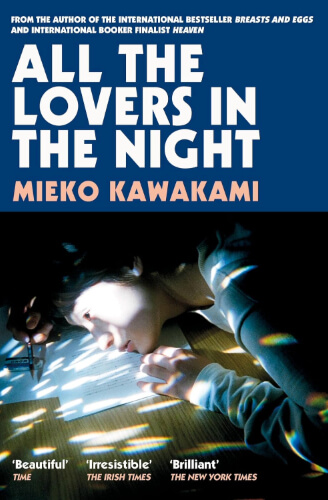
All the Lovers in the Night by Mieko Kawakami
Mieko Kawakami’s slow, introspective novel depicts the quiet life of Fuyuko Irie, a proofreader living in Japan. The story unfolds silently, revealing more about Fuyuko through a series of relationships with those around her. She finds parts of herself reflected in these external characters, bringing to light questions surrounding identity and belonging.
This book explores feminist concerns, centring on the societal pressures imposed on women in Japan. By exploring the idea of choice, Kawakami encourages women to live by their own standards rather than those unconsciously placed upon them.
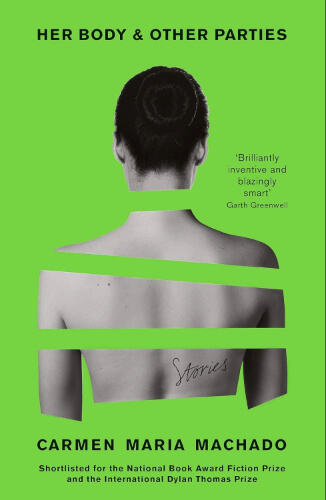
Her Body and Other Parties by Carmen Maria Machado
Her Body and Other Parties reclaims the female body as a site of horror, desire, and resistance. Carmen Maria Machado fuses urban legend and psychological realism to expose how women navigate violence and intimacy. With eight stories in total, each one demands control over the story.
The book experiments boldly with form to reshape familiar genres and reflect fragmented identities. Machado writes loudly, refusing to soften pain or diminish the female experience. By centring women’s interior lives, she challenges inherited expectations placed upon women, and brings to life issues within modern society.
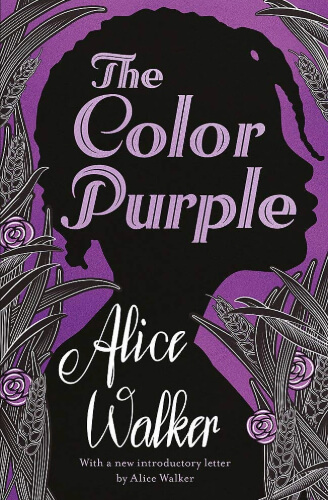
The Color Purple by Alice Walker
Alice Walker tells the story of Celie, a young woman growing up in the American South, in her novel The Color Purple. Through Celie’s letters, Walker shows how she survives abuse and begins to understand her own worth. Gradually, Celie learns to speak honestly about pain, love, and eventually, hope.
Walker focuses on female resilience and the power of supportive relationships. She conveys how love, in different forms, helps Celie rebuild her life. The novel is a significant feminist text for its portrayal of female independence, identity and resistance.